We use cookies to help give you the best possible experience on our site. Strictly necessary and functional cookies support login and shopping cart features, they cannot be disabled. Performance cookies support site performance analysis. These are optional and will be disabled if you click on Reject.
By clicking Accept you agree to our use of Performance cookies as detailed in our Privacy Policy.
Steam Next Fest is one of the biggest visibility opportunities of the year, and also one of the most competitive. With over 3.380 demos live, including nearly 900 strategy titles, discoverability is harder than ever. Only a small fraction of games reach the wishlist and follower thresholds needed to gain additional exposure on Steam.
In this special episode, we explored what Next Fest really means for developers, creators, and players, joined by strategy-focused content creator 2DKiri.
Originally created to boost visibility, Next Fest now presents its own discoverability challenge. With thousands of demos competing for attention, standing out requires careful timing, positioning, and a strong first impression.
From a creator’s perspective, novelty is key. Kiri highlighted how her community thrives on discovering new strategy and management titles, often preferring short demo sessions across multiple games rather than long playthroughs. This reinforces a critical point for developers: demo scope and pacing matter.
The Demo Balancing Act
How much content should a demo include?
Too short, and it feels shallow.
Too long, and players (or streamers) may feel satisfied without purchasing.
Next Fest forces teams to make strategic decisions, not just about gameplay, but about marketing, timing, and player onboarding.
Developer Perspectives
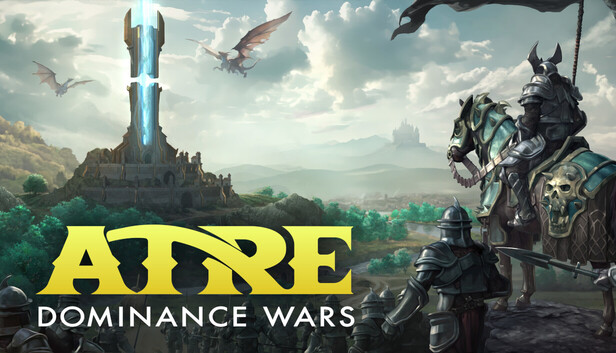
One of the most insightful parts of the episode came from hearing directly from developers at very different stages of their journey. The team behind Atre: Dominance Wars, a 12-person studio, is using Next Fest as a near-launch milestone, close enough to release to showcase depth, but with enough time left to iterate. They are actively patching the demo during the event, treating player feedback as live development input.
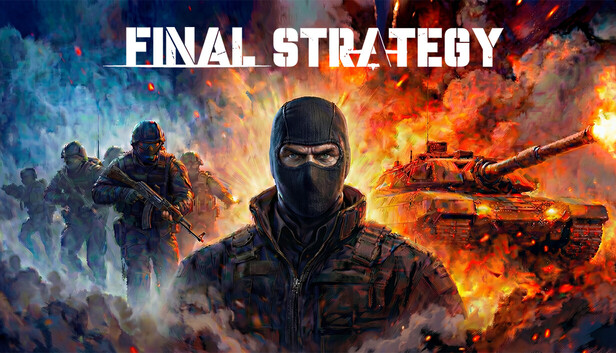
On the other end of the spectrum, Final Strategyis a solo-developed project, with its creator using Next Fest primarily as a testing ground: gathering feedback, refining mechanics, and even adjusting core features based on community response.
Meanwhile, the developers of Crimson Freedommade the strategic decision to opt out at the last minute, choosing to polish further rather than risk presenting a version they felt wasn’t fully ready. Together, these perspectives highlight a key takeaway: there is no single “right” way to approach Next Fest: each team must align the event with its resources, development stage, and long-term goals.
Beyond Digital
The episode also featured The Tabletop Corner, covering new releases from Warlord Games and the Fallout RPG, plus more other engaging novelties in the tabletop world: a reminder that strategy gaming spans well beyond the screen.
Episode 7 made one thing clear: Next Fest isn’t just a demo event, it’s a strategic battleground for visibility, iteration, and community building.
Stay tuned for the next episode of The Hot Seat, going live on March 25th, and watch the ful episode: