The development of the DLC is progressing very well. We are opening sign-ups for the beta test, if you’d like to help us refine and balance the DLC, you can sign up here. Your feedback is always valuable to us.
Now, let’s dive into the first Dev Diary.
Ground of Conflict
Greetings, Generals!
After the development of Panzer Corps 2: Frontlines - Cyrenaica, we never abandoned the idea of a dual campaign.
In fact, we built upon it, improving, refining, and expanding the concept while listening carefully to your feedback.
THE CAMPAIGN
The result is Panzer Corps 2: Allied Operations – Italy Volume 1, the opening chapter of the Italian Campaign and the first step in the Allies’ return to Europe.
This new DLC marks the beginning of a broader journey that will follow the Allied advance across Italy, from the beaches of Sicily to the heart of the mainland: a new theatre of war, full of challenges, surprises, and opportunities for strategic depth.
EUROPE’S SOFTBELLY
The year is 1943.
With the Axis defeated in North Africa, the Allies prepare to strike at Europe’s southern flank.
The target: Sicily.
Codenamed Operation Husky, the invasion became one of the largest amphibious invasions in history, involving American, British, and Canadian forces under the command of General Harold Alexander, commander of the 15th Army Group.
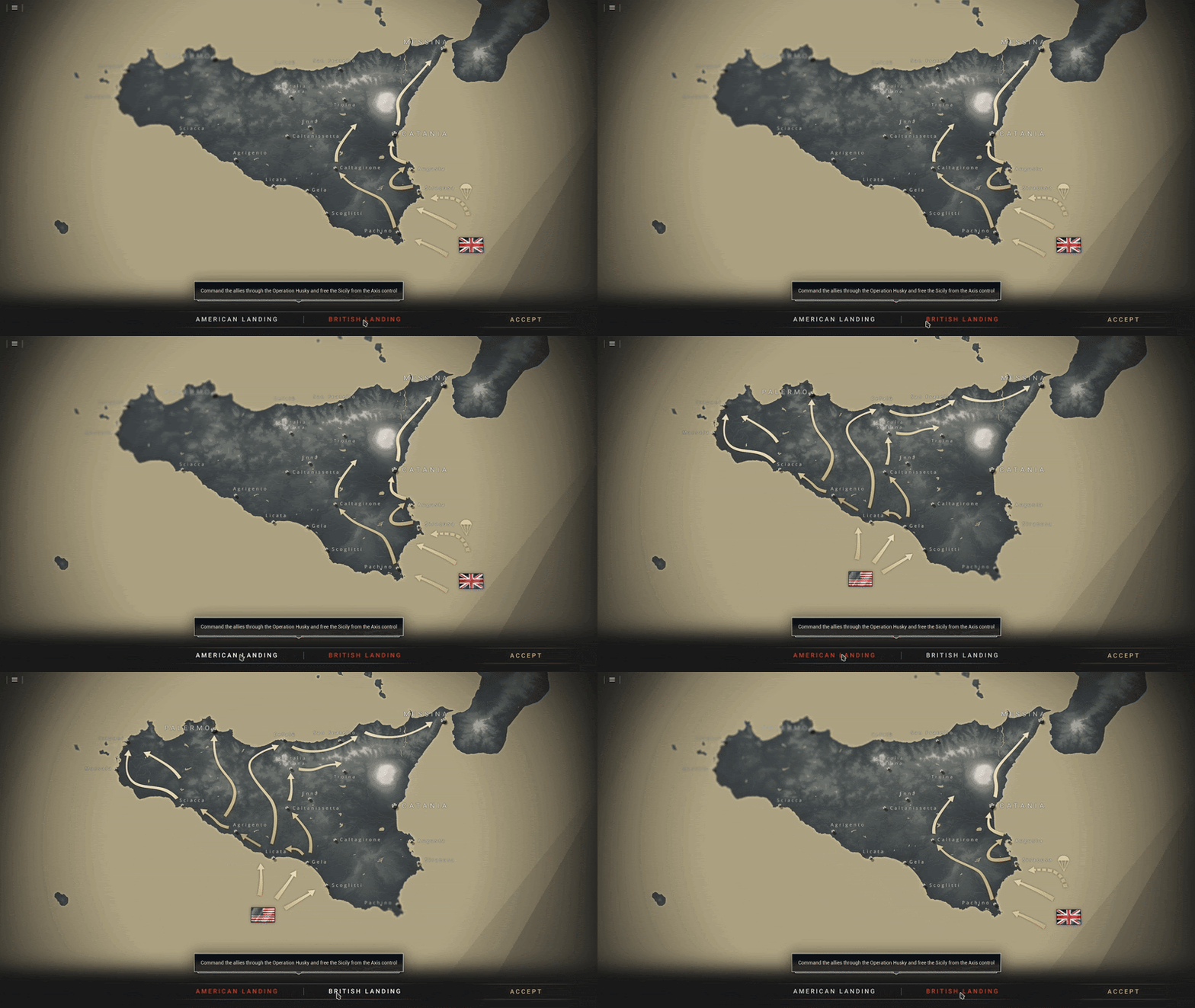
This campaign is more than a sequence of battles. It tells the story of two Allied armies advancing along opposite coasts, facing different challenges, and ultimately converging for one of the most dramatic finales of the war.
Twelve historical scenarios will take you from the night of July 9th, 1943, when the first gliders crossed the Sicilian coast, to the race for Messina in mid-August, where British and American troops competed to be the first to raise their flag over the island.
A NEW THEATER OF WAR
Sicily is a land of sharp contrasts and a battlefield unlike any other.
Its biodiversity and geography make it as beautiful as it is hostile: scorching plains crossed by winding rivers, fertile valleys that suddenly rise into rocky mountains, and coastal towns clinging to cliffs above the sea.
Every hill, river, and village becomes part of the tactical puzzle.
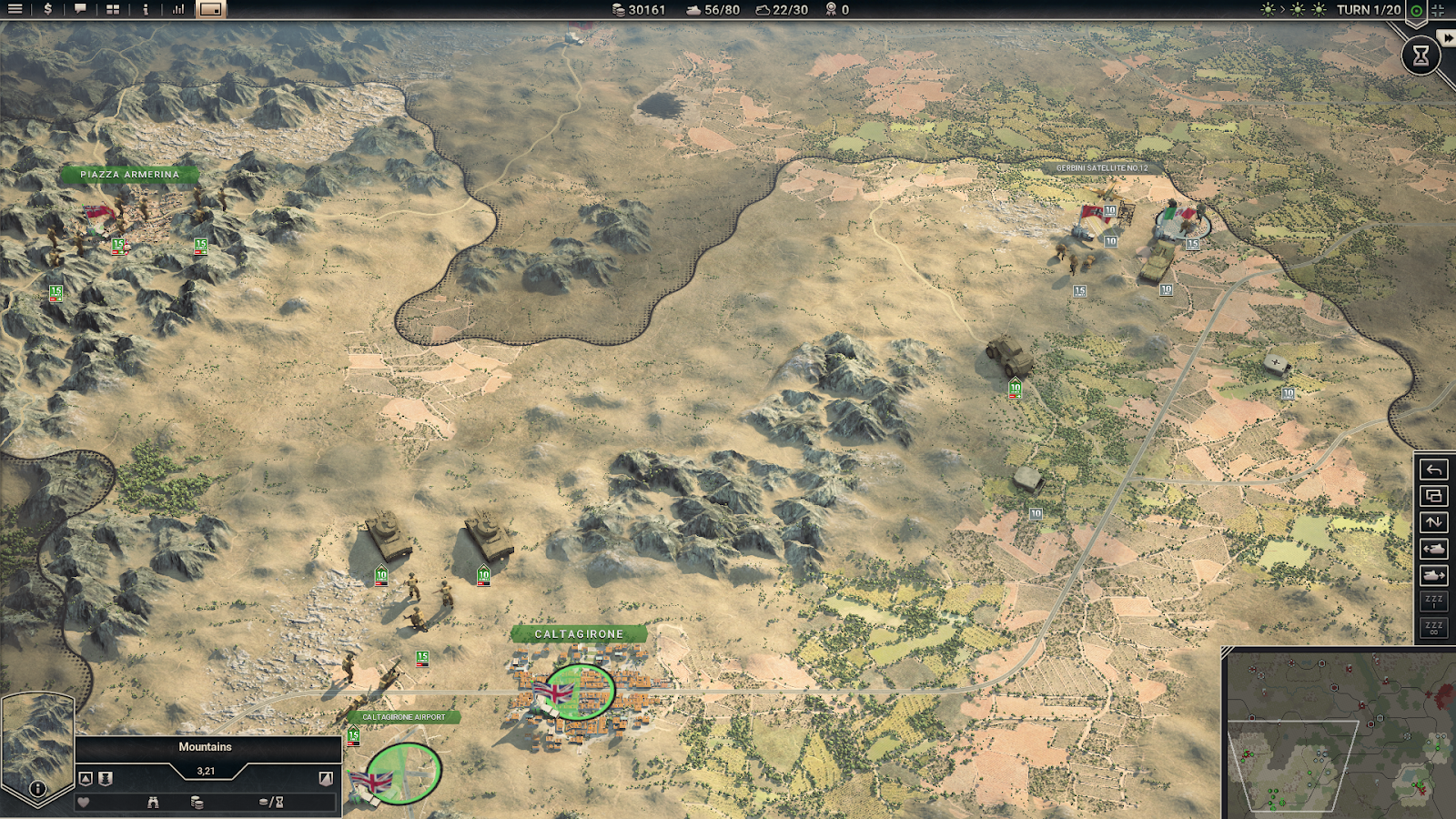
Our goal was to make the Sicilian terrain feel like an active opponent, unpredictable, demanding, and constantly shaping the flow of battle.
This environment pushed the scenario design toward greater tactical depth, with terrain features that directly influence player decisions. River crossings split advancing forces, narrow mountain passes restrict armored units, and the many mountain ranges and rolling hills form natural fortified lines that must be breached.
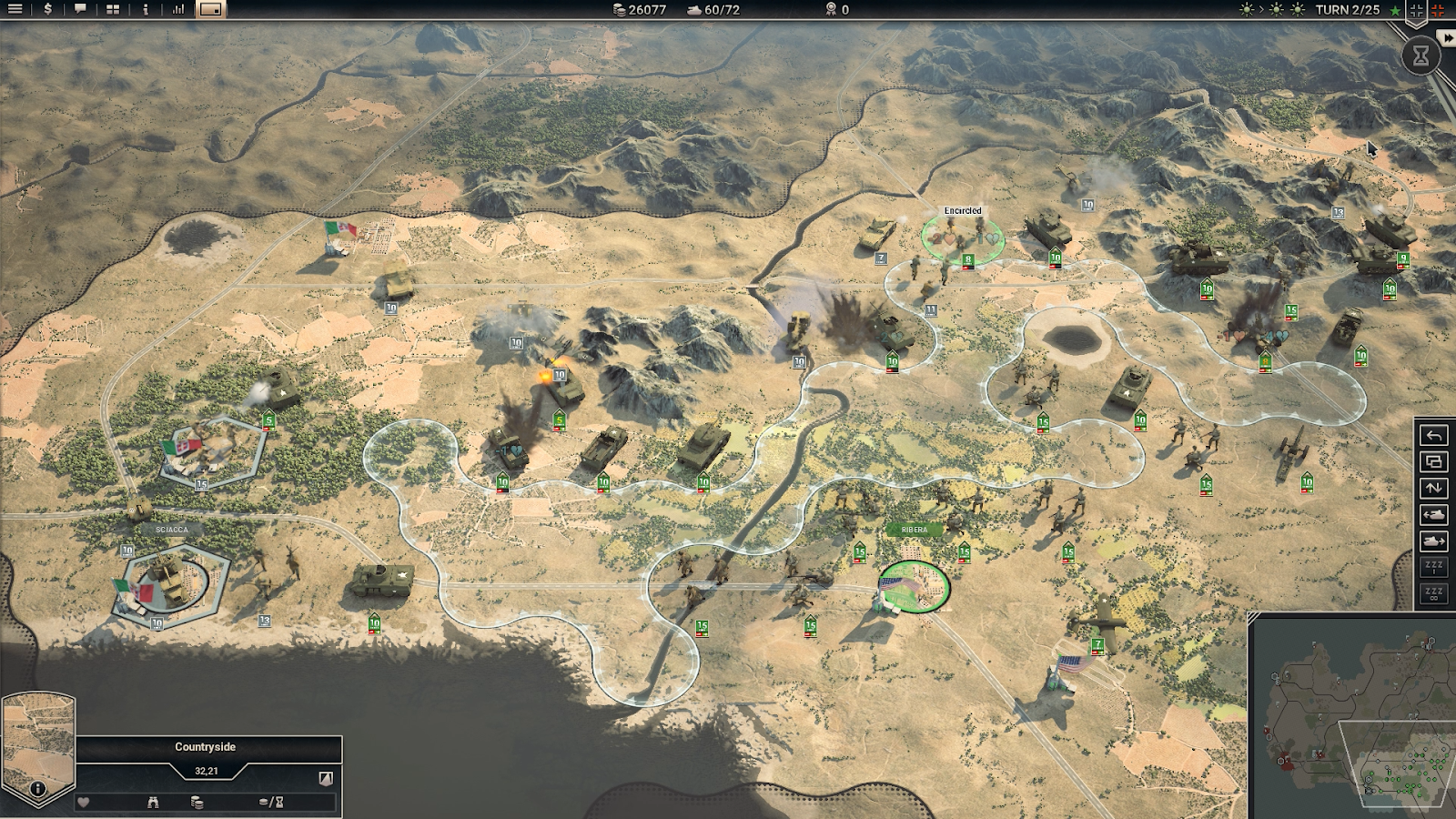
The result is a variety of terrain that create a Mediterranean theatre that feels organic, unforgiving, and deeply atmospheric
ICONIC UNITS
From amphibious landings and airborne assaults to hard-fought battles in mountains and urban centers, these formations play a central role in shaping the flow of the campaign.
ALLIES
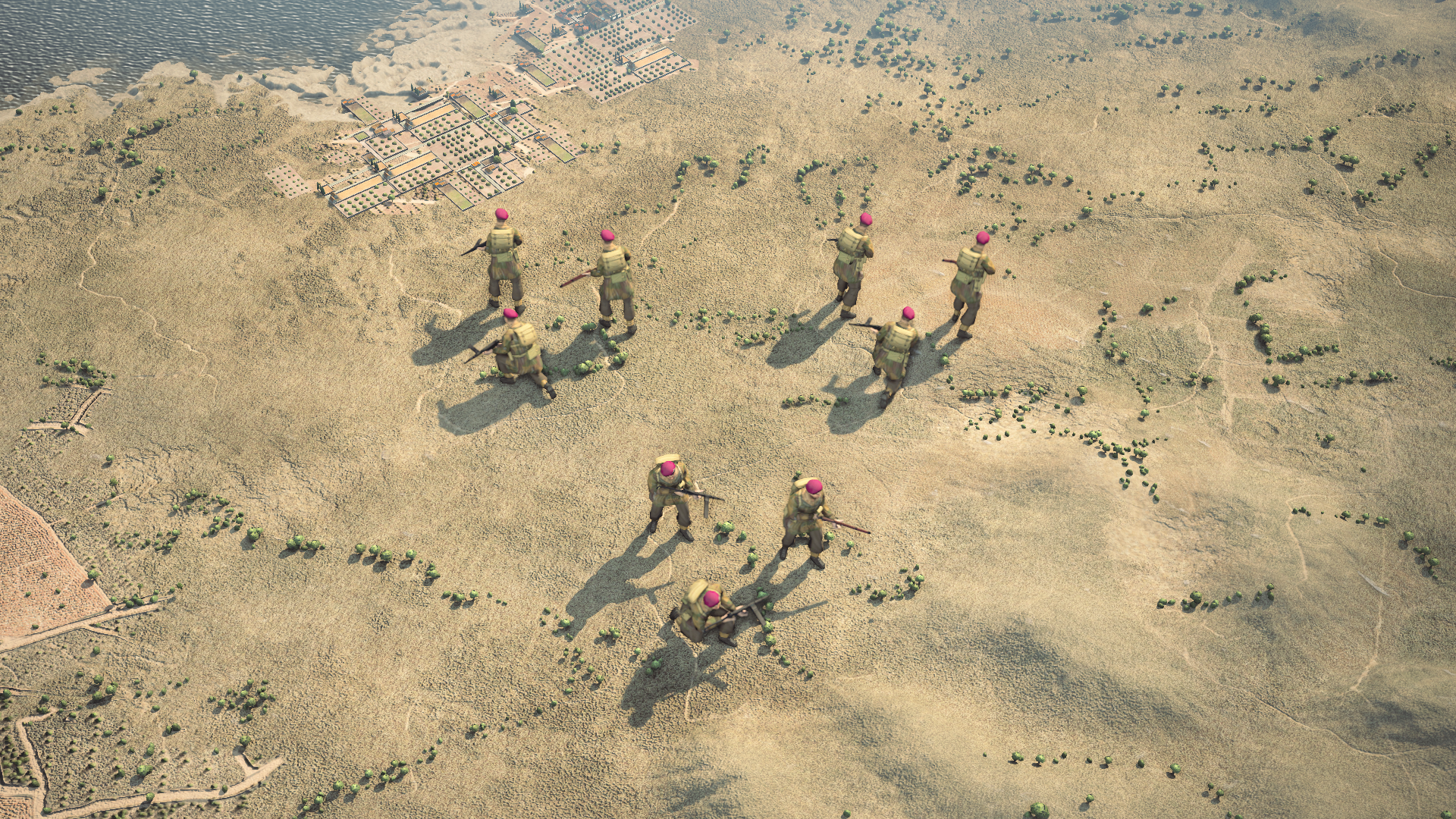
British Airborne Infantry
British airborne troops were among the first Allied units to enter the battle, landing behind enemy lines during the opening hours of the invasion.
Tasked with seizing key bridges and road junctions, they operate in isolation and under constant pressure.
British Commando
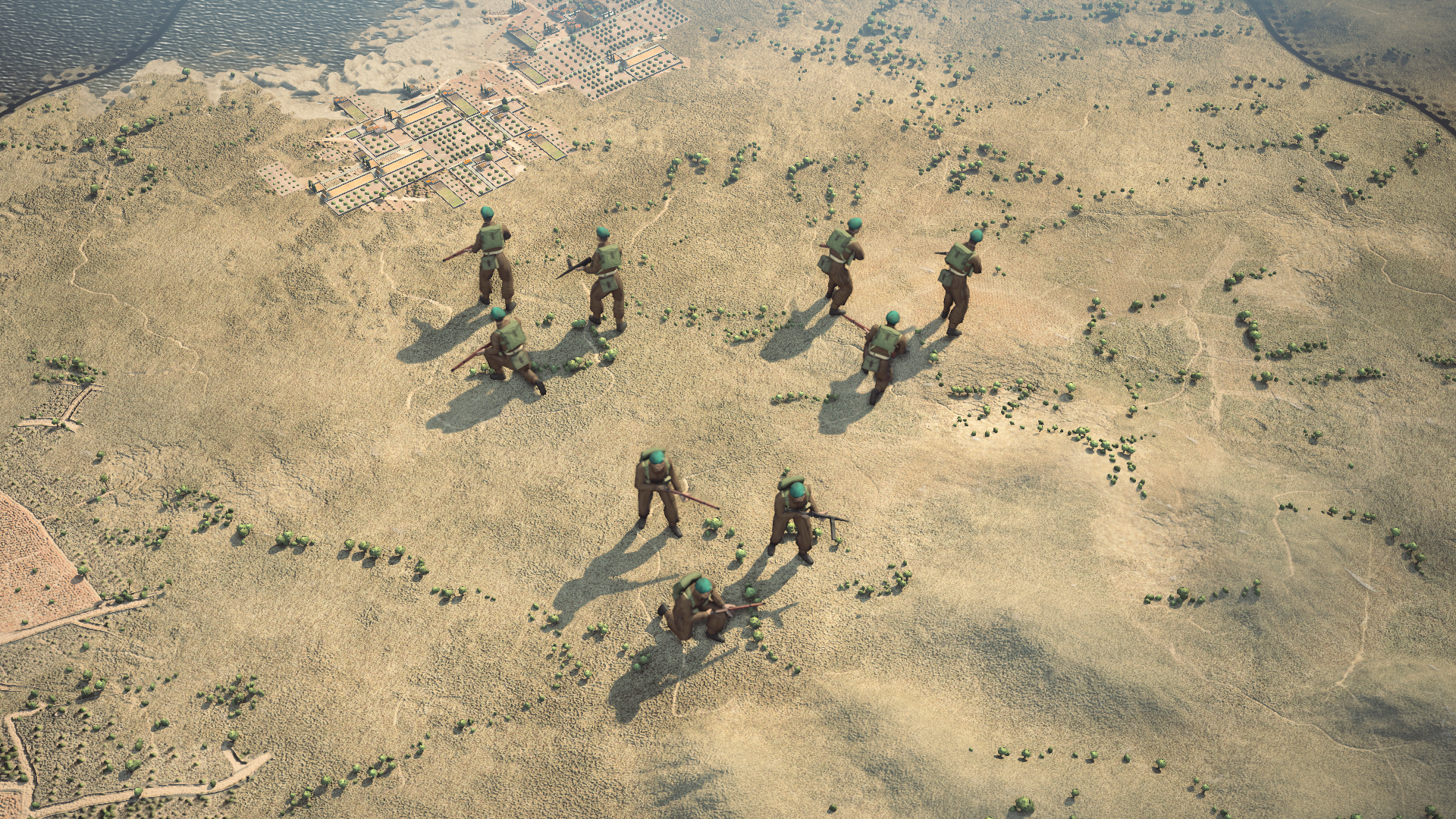
British Commandos played a key role during the Allied advance in Sicily, spearheading the push toward Messina.
Highly trained and adaptable, they excelled at flanking maneuvers and close-quarters combat, making them effective in breaking enemy defenses and securing strategic objectives.
U.S. Rangers
U.S. Rangers were trained for direct assaults against fortified positions and coastal defenses, reflecting their historical role during the landings at Gela and subsequent operations.
Their aggressive approach and resilience under fire made them effective at breaching enemy strongpoints and securing critical beachheads.
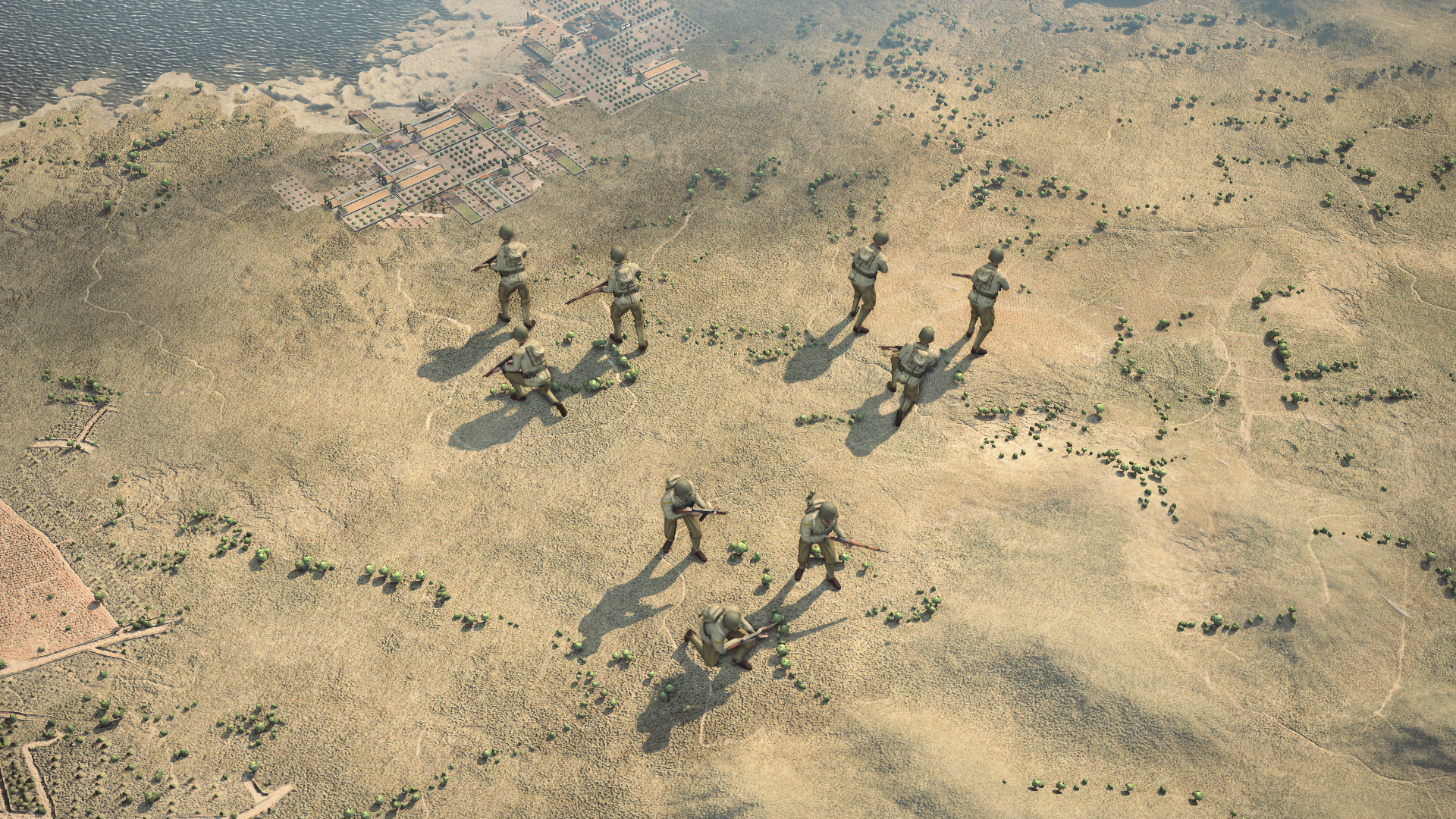
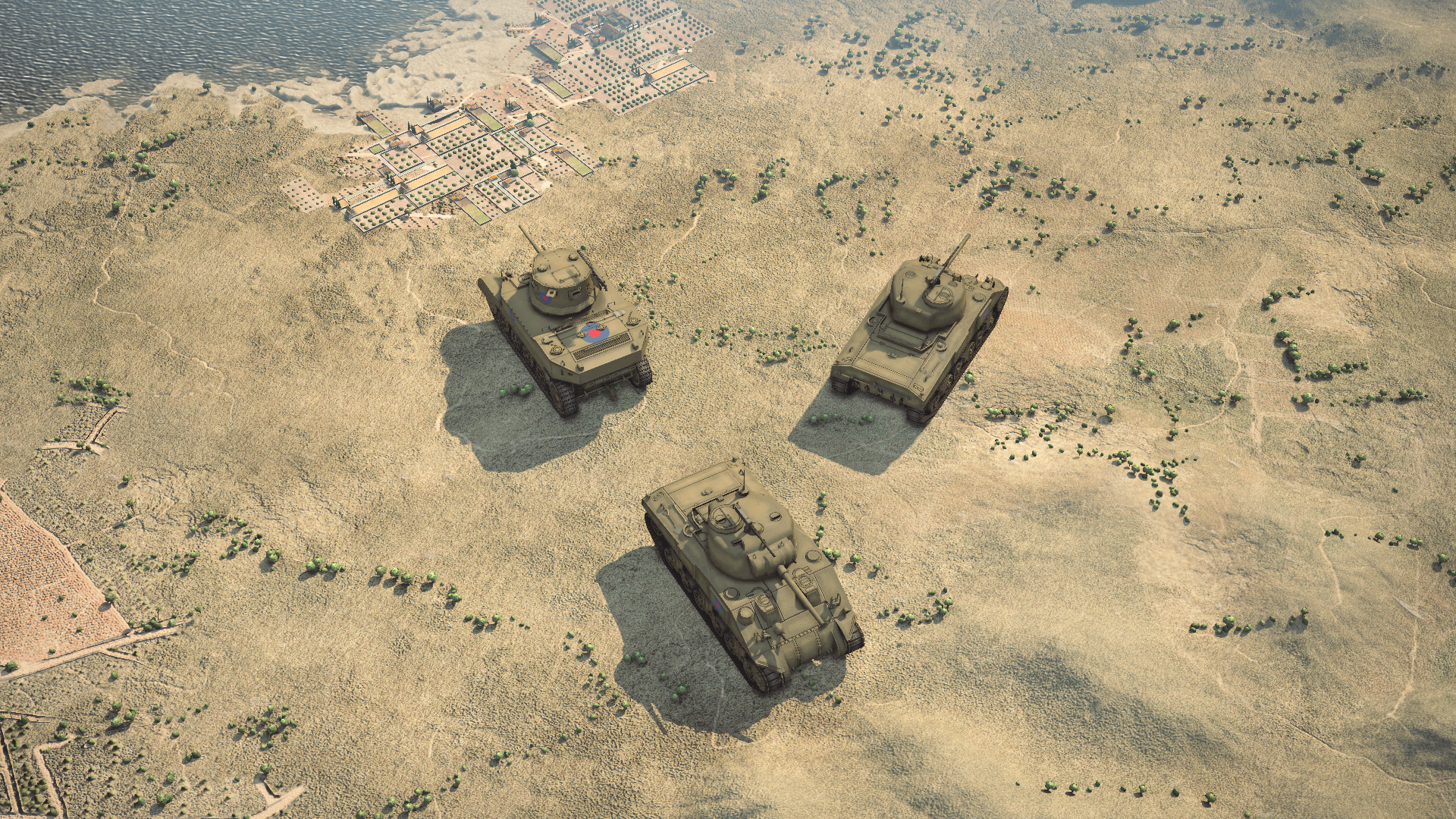
Allied Medium Armor
Medium tanks provide mobile fire support for infantry, but Sicily’s rugged terrain, narrow roads, and the superior firepower of Axis Panzer units often limit their effectiveness.
As a result, Allied medium tanks were most effective when operating in close coordination with infantry, rather than as independent spearheads.
AXIS UNITS
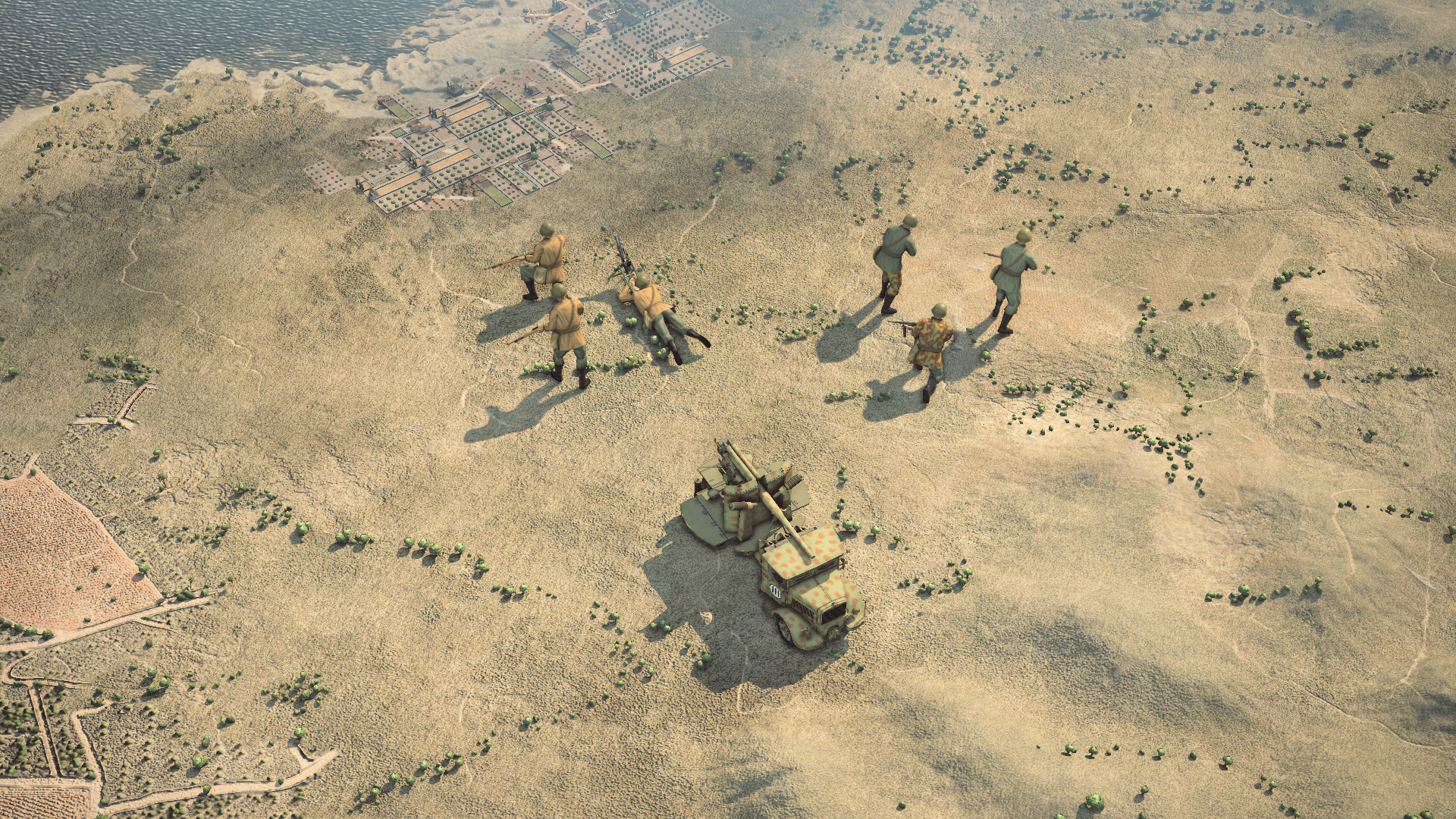
Italian Coastal Defense Units
Tasked with holding beaches and key ports, Italian coastal units are not the most feared formations of the war.
Still, prepared defenses and favorable terrain force attackers to commit extra resources to break through.
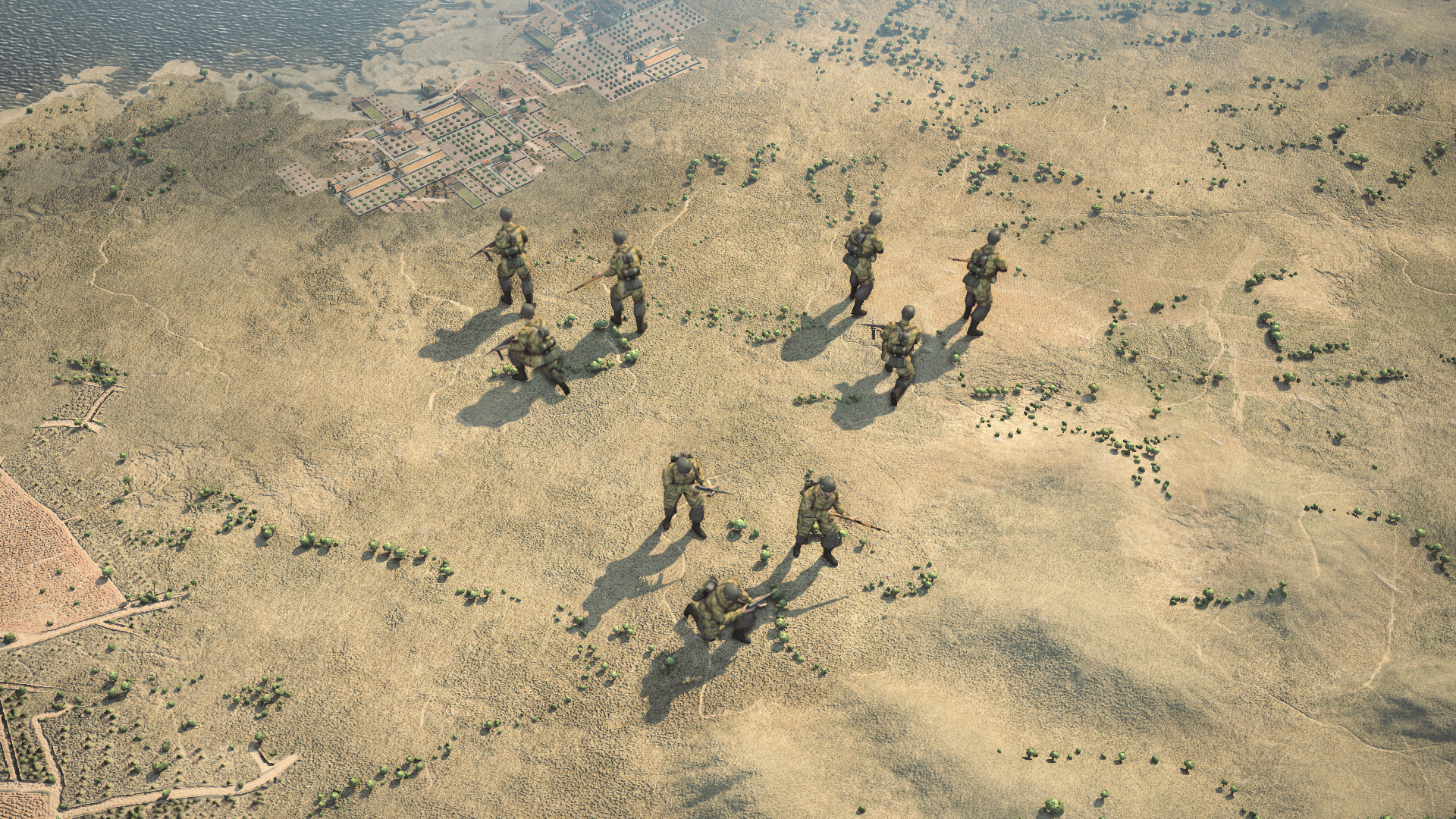
German Fallschirmjäger
Veterans of earlier campaigns, German paratroopers are deployed as elite infantry rather than airborne troops.
Highly disciplined and combat-effective, Fallschirmjäger units are formidable opponents.
Hermann Göring Division
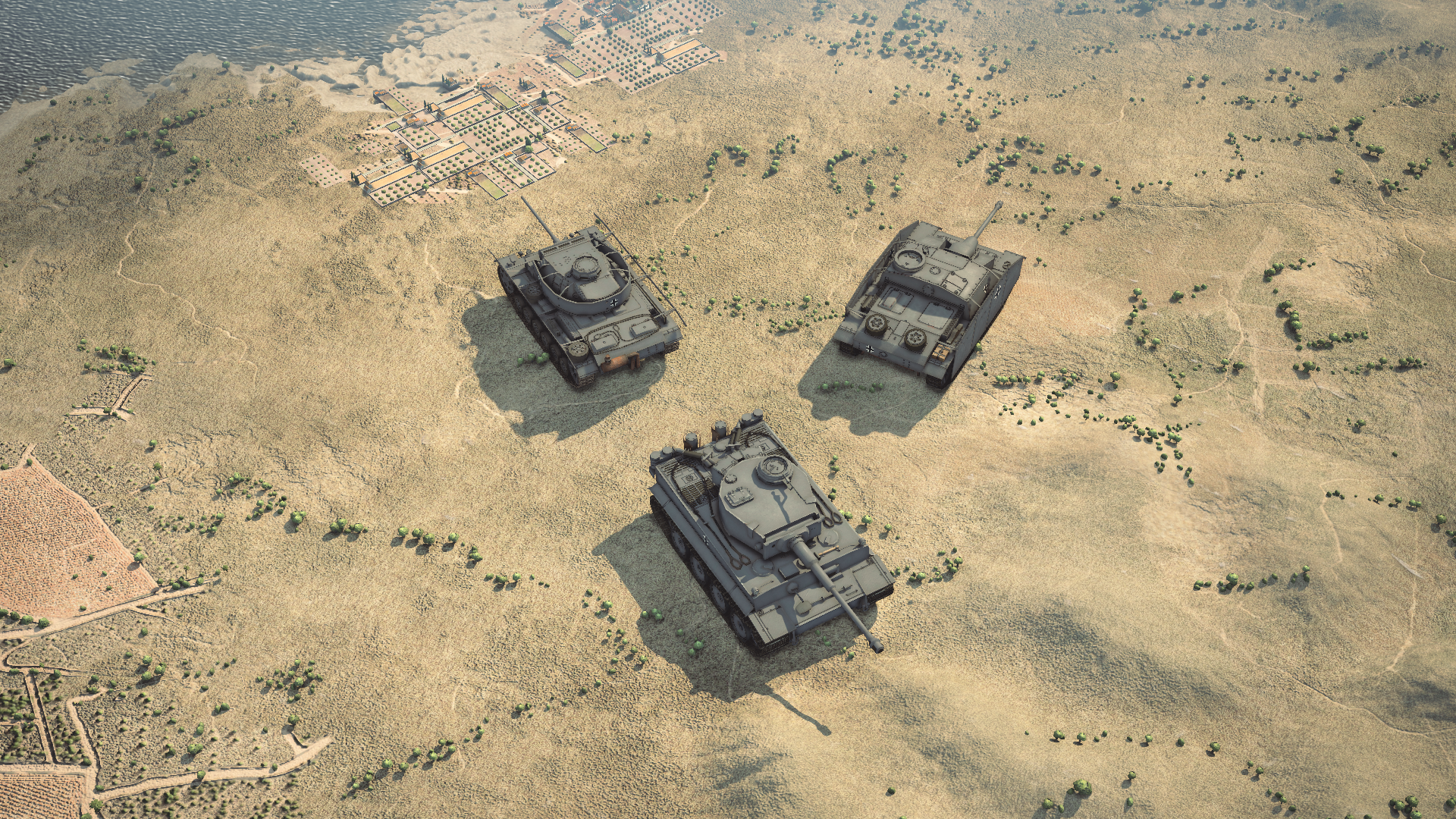
Elements of the Hermann Göring Division provide armored and mechanized support to German forces in Sicily. Combining infantry, armor, and heavy weapons, these units are often used in counterattacks and defensive operations aimed at slowing the Allied advance.
They represent some of the toughest resistance players will face during the campaign.
HISTORICAL STUDIES OVERVIEW
To bring Operation Husky to life with accuracy and depth, we conducted extensive research using period documents, military archives, and contemporary reports.
We studied every phase of the invasion, from the airborne assault at Ponte Grande to the final push toward Messina.
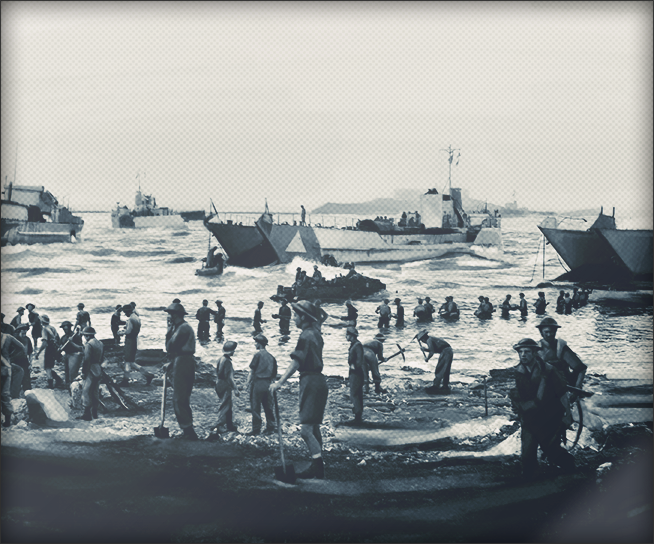
Our research highlighted how clearly the two Allied armies divided the island, each advancing along its own axis before eventually converging beneath the slopes of Mount Etna.
This directly shaped the campaign’s design: two separate fronts, each with its own pace and character, gradually coming together in the final missions where British and American operations intertwine.
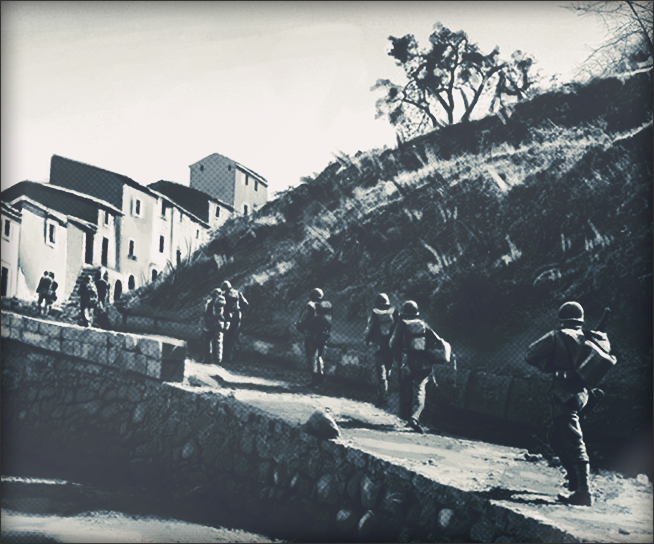
We also discovered key differences in how the two forces experienced the campaign. The U.S. advance typically faced fewer obstacles and moved faster, while the British Eighth Army contended with tougher terrain, stronger resistance, and more complex challenges.
These insights helped shape the narrative tone, as well as the gameplay pacing and balance of the two paths.
Last but not least, along the way we uncovered lesser-known but fascinating events, which we integrated as optional objectives in scenarios. Players can choose whether, or how, to engage with them, adding extra layers of strategy and replayability.
These historical details add depth, variety, and dynamism to the campaign, while preserving historical authenticity and reinforcing player choice.
TWO ARMIES, ONE GOAL
At the heart of Allied Operations – Italy: Vol. 1 there is a newly formed army: the 15th Army Group.
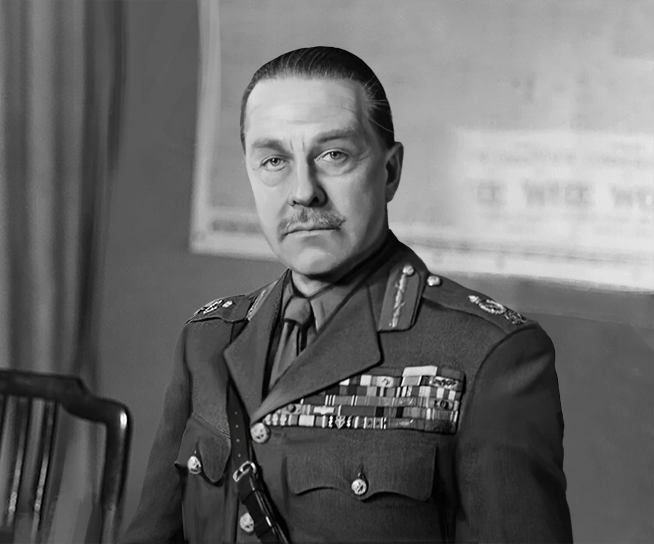
Sir Harold Alexander
Commanded by Sir Harold Alexander, the 15th Army Group was composed of two Allied armies advancing along separate axes.
The British Eighth Army, under General Bernard Montgomery, lands near Syracuse and pushes north along the eastern coast.
The U.S. Seventh Army, led by General George S. Patton, comes ashore further west around Gela, then advances through Palermo toward Messina.
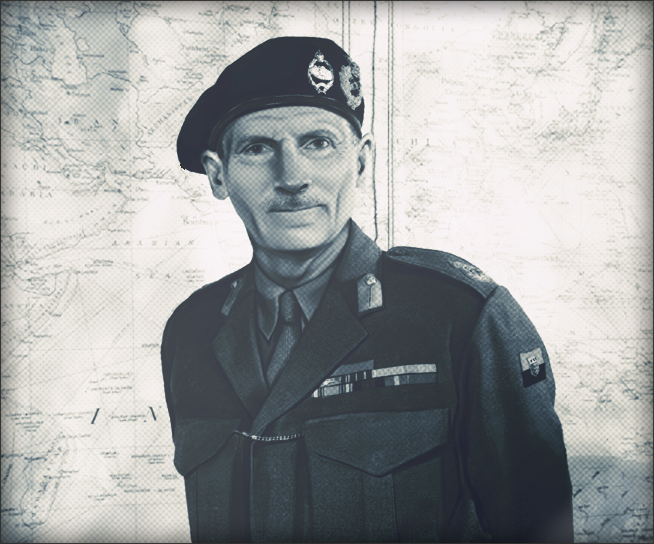
General Montgomery
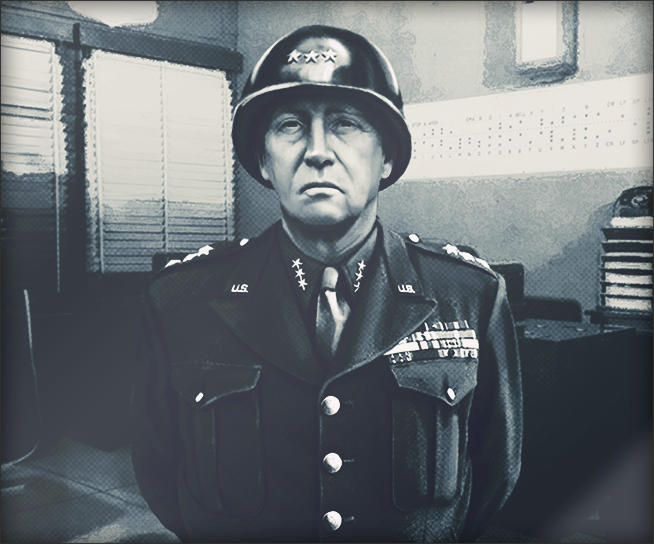
General Patton
Players command both forces across different scenarios, experiencing the contrast between British methodical planning and American operational boldness.
Different methods and different ways of thinking about how the war should be fought. Despite their differences and the bickering, they shared the same goal: freeing Sicily from the Axis.
Along the way, you will face Italian coastal defenses, and seasoned formations from the German Fallschirmjäger and Hermann Göring divisions, each introducing distinct tactical challenges.
This dual structure lies at the core of the DLC’s design: two parallel campaigns that gradually converge into a single, climactic conclusion.
We will take a closer look at how this structure works and how it shapes gameplay in the next Dev Diary.