Radio Commander Pacific '41 is a strategy game. In the game, you'll face a tough opponent with a variety of units. Each unit has its role on the battlefield.
Japanese units during the Pacific War were characterized by an offensive mindset and immense determination stemming from indoctrination. These traits are reflected in the game, albeit in a somewhat simplified way.
Nevertheless, the Japanese were a tough, motivated opponent, familiar with the realities of combat.
You may encounter the following types of Japanese units in the game.
Infantry
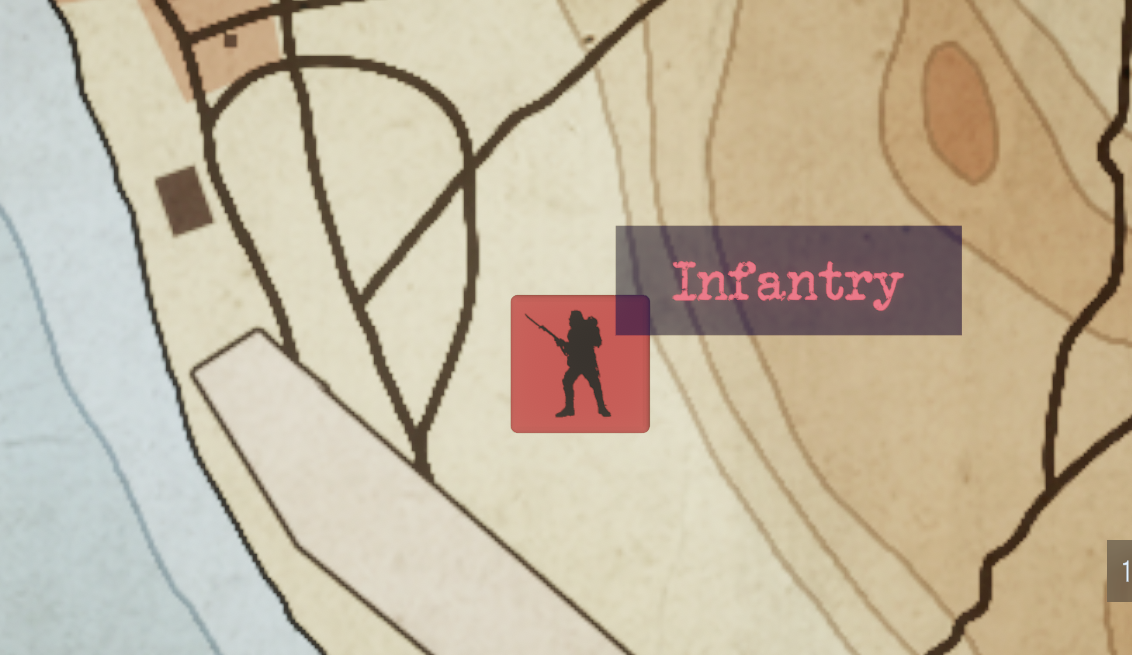
Infantry is the primary Japanese forces and the most numerously represented in the game. They can attack, defend, and patrol. They are resilient on the march and tenacious in combat. Disengagement from combat with Japanese infantry may not be automatic. It should be expected that infantry will attempt to maintain fire contact as long as possible under the given circumstances. Infantry can counterattack, so objects considered occupied may become the arena of fight once again.
Like any infantry in the world, they are better at fighting in fortifications, urban areas, or forests than in open terrain.
The game will feature a Japanese infantry anti-tank specialization. Unit with this specialization is more effective against tanks. If an anti-tank weapon is detected, your units will notify in a report. Therefore, pay attention to the reports of units in the field.
The Japanese infantry in the game has the ability to organize ambushes. This simulates the Japanese troops' better knowledge of the terrain and climate, for whom these conditions were more natural than for the US forces.
An unit preparing the ambush carefully conceals itself and strikes when the opportune moment arises. It is very difficult to detect an ambush in advance.
You might encounter infantry operating as paratroopers in the game. This reflects the fact that Japan didn't put much effort into developing parachute units before the war, and significant efforts didn't begin until after 1941.
As always with airborne assaults, their main advantage is the surprise attack. Information about an impending airborne attack may come very late, when parachute canopies bloom in the sky.
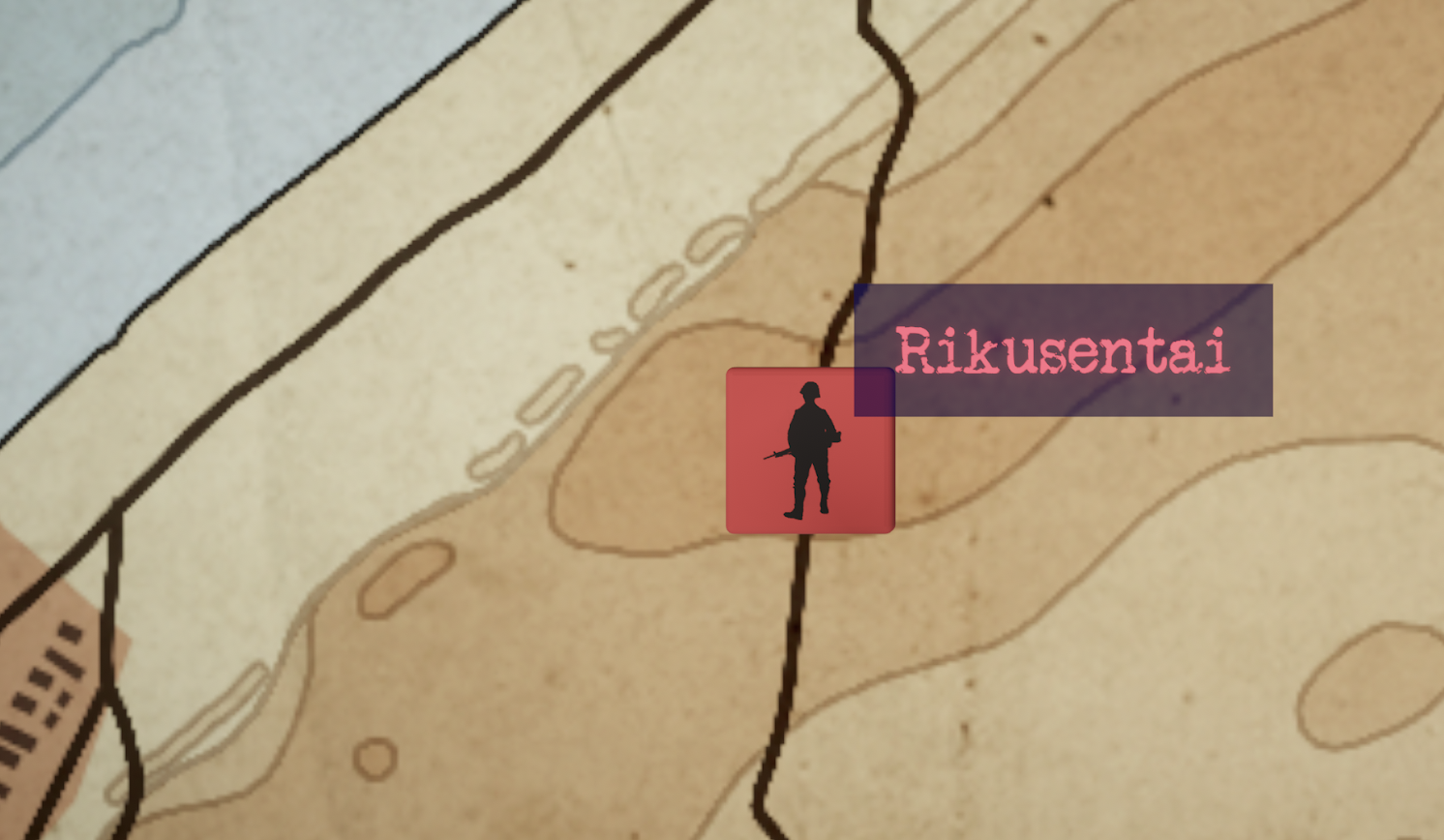
Rikusentai – Japanese marines.
Actually Kaigun Tokubetsu Rikusentai – Special Naval Landing Forces – marine units in the Imperial Japanese Navy and part of the Japanese ground forces during the Pacific War.
They functioned as the infantry of the Navy and engaged in amphibious operations, leading to them being referred to as "Imperial Marines" or simply "Japanese Marines."
As sea assault forces, they often experienced heavy casualties when faced with determined resistance. This was due to their offensive spirit and unwillingness to surrender. When completely out of ammo, they sometimes resorted to hand-to-hand fighting with their swords and bayonets.
In the game, they represent a serious opponent. They are the player's equivalent of the US Marines. Effective in combat, determined to attack at all costs, resilient, and strong.
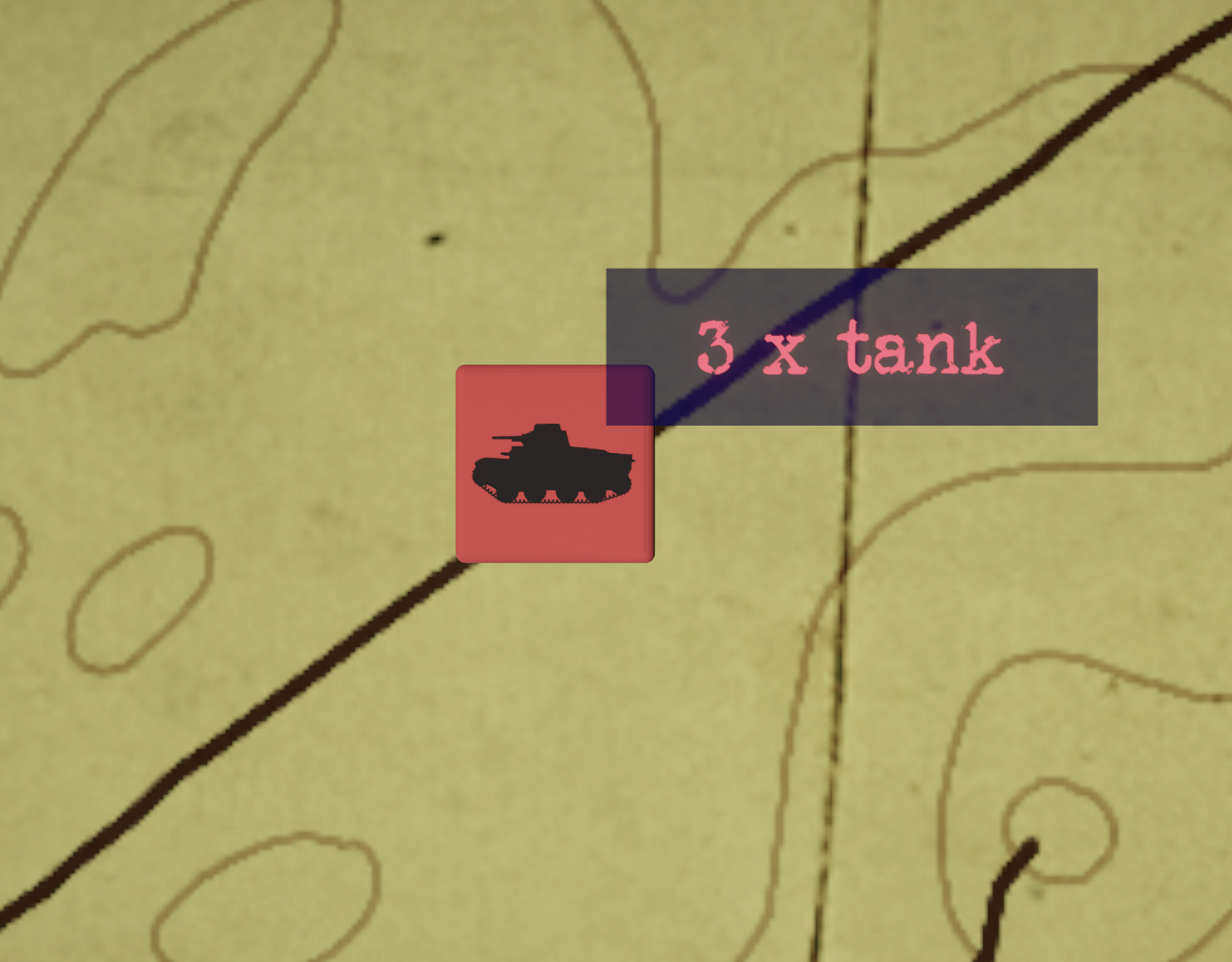
Tanks
In the game, you may encounter Japanese tanks in scenarios.
Historically, their design was based on infantry support doctrine, transportation limitations, and difficult jungle terrain.
Key design features: Low weight to allow them to cross weak bridges.
Low armor: protected against small arms and shrapnel, but were vulnerable to anti-tank fire. It does not mean they were to be ignored.
In the game, you'll have to contend with the strength of these tanks and their doctrine. They typically provide infantry support. They shouldn't be underestimated. Remember, the best weapon against a tank is...another tank.
Antiaircraft artillery
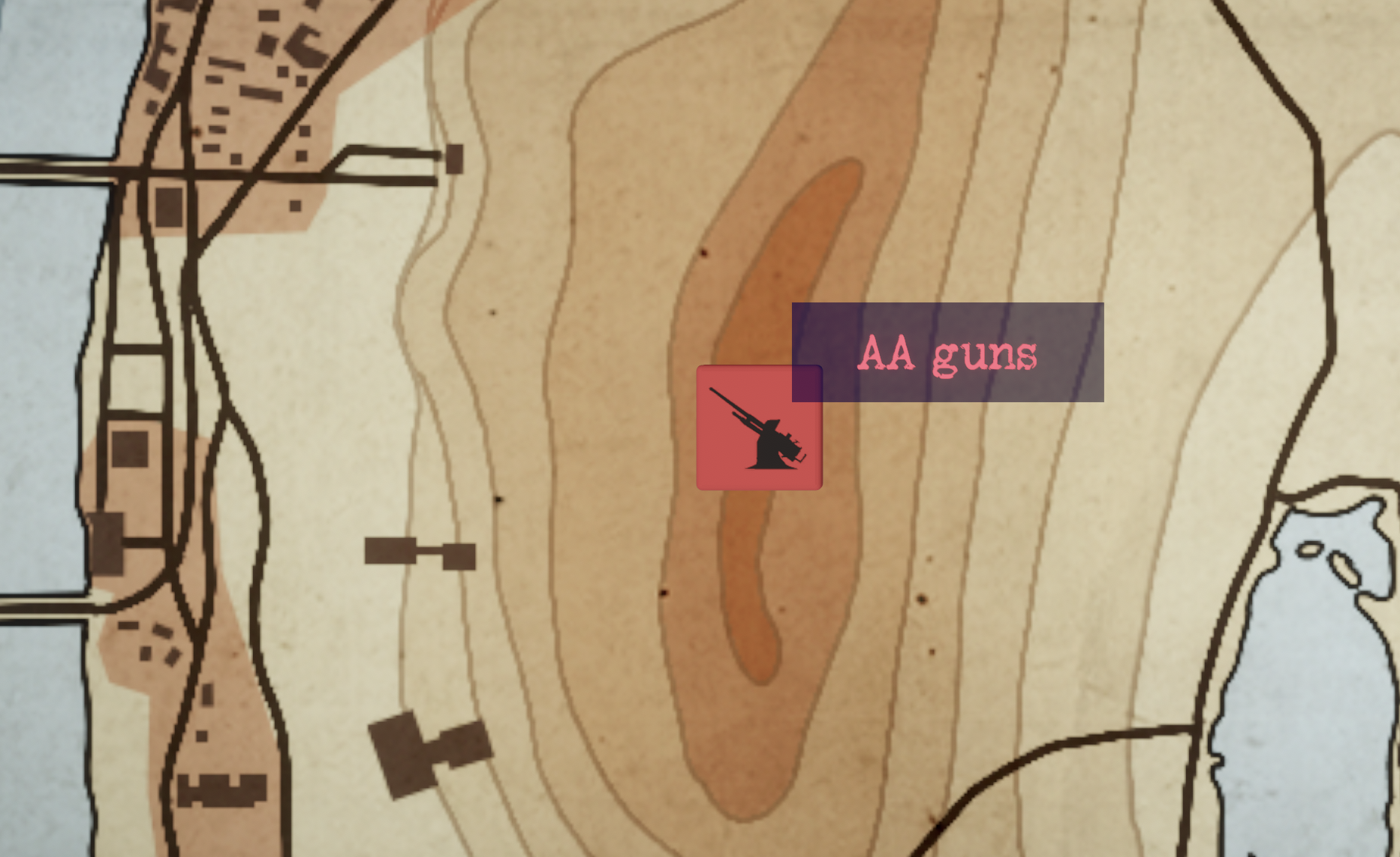
Anti-aircraft guns are another nuisance in the game. The Japanese anti-aircraft artillery can inflict serious damage to aircraft, when in range.
The guns are usually positioned near key objects. While they aren't powerful enough to down a plane outright, ignoring them and remaining within their range will certainly result in a downed aircraft.
Coastal artillery
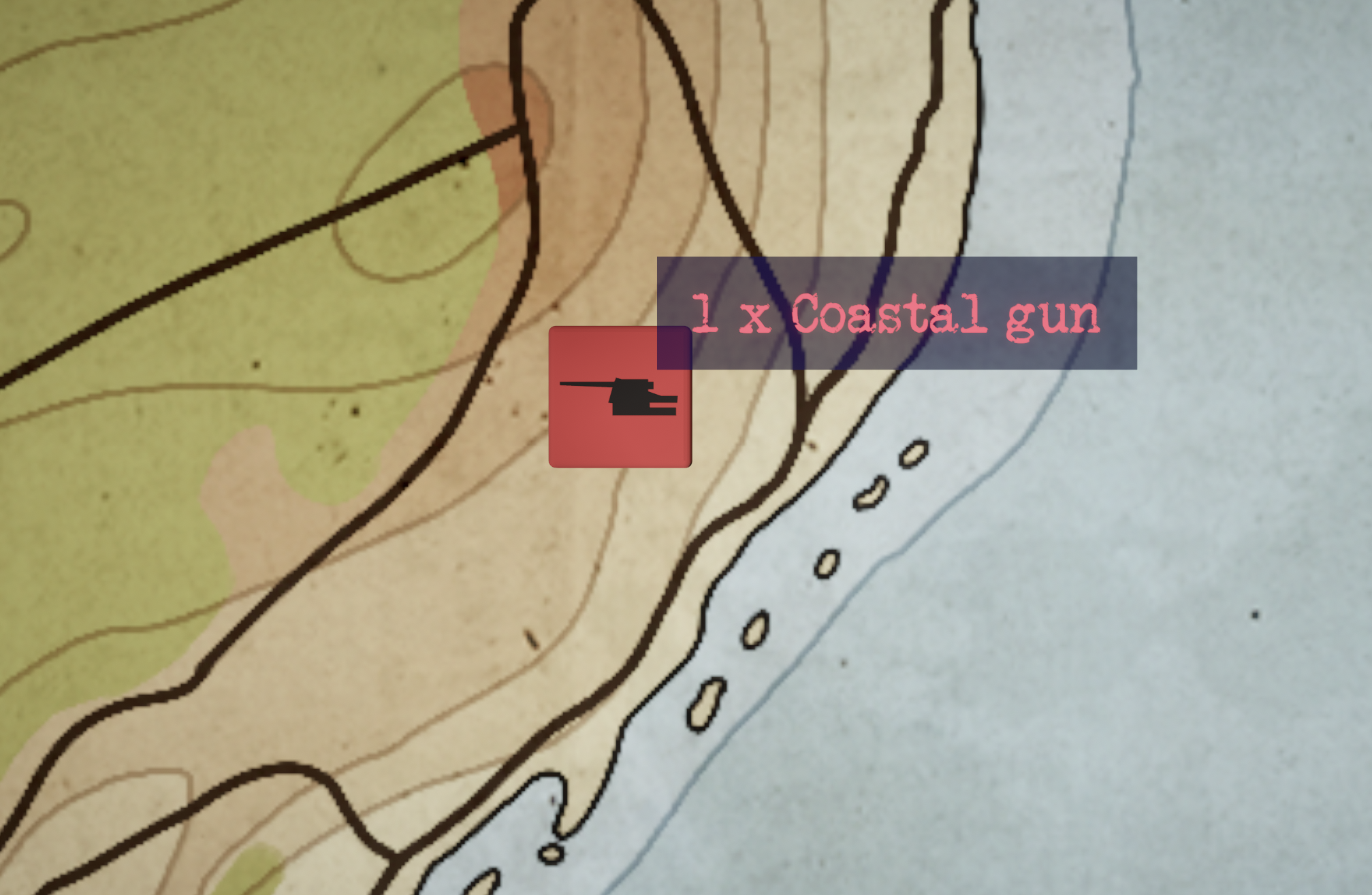
In the game, the Japanese have coastal artillery. These are powerful guns with large caliber and range. They are deployed in fixed fortifications and cannot be moved.
Because they are already deployed for some time, their crews are trained, skilled, and have a wide range of aids for accurate fire. This is precisely why they are a deadly threat to ships. And in the game, to your destroyer, which is your single artillery support.
You must carefully plan your destroyer's movements at sea. If detected, the guns can very quickly gain salvo coverage, surround the target and then hit.