In today’s Dev log, we will scrutinize the NATO forces’ units available in Headquarters: Cold War and compare them with the Red Army line-up we looked at in the previous Dev log. So, let us see what the alliance has to offer as a deterrent to the red threat.
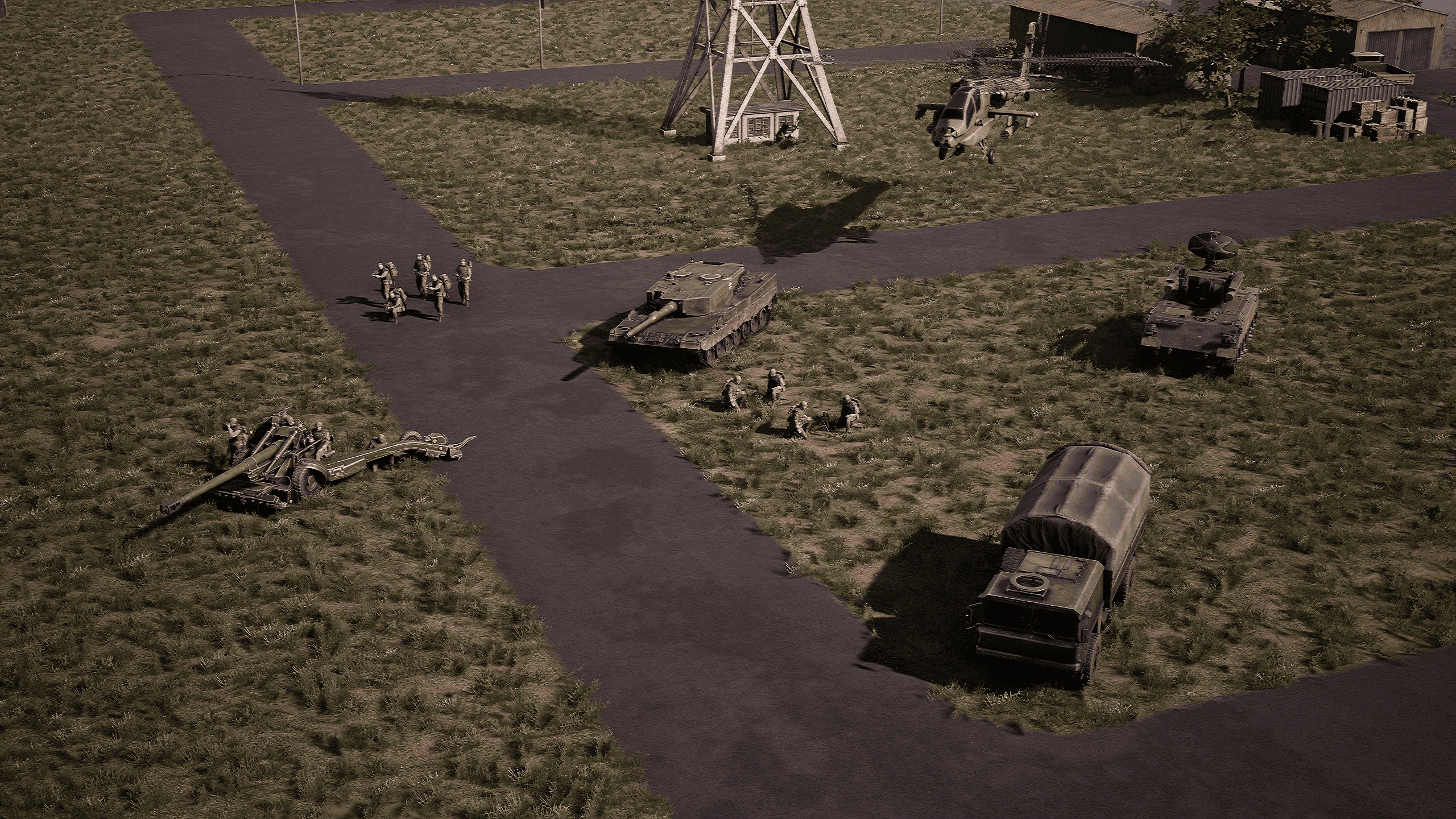
An alliance means the combination of different countries’ units
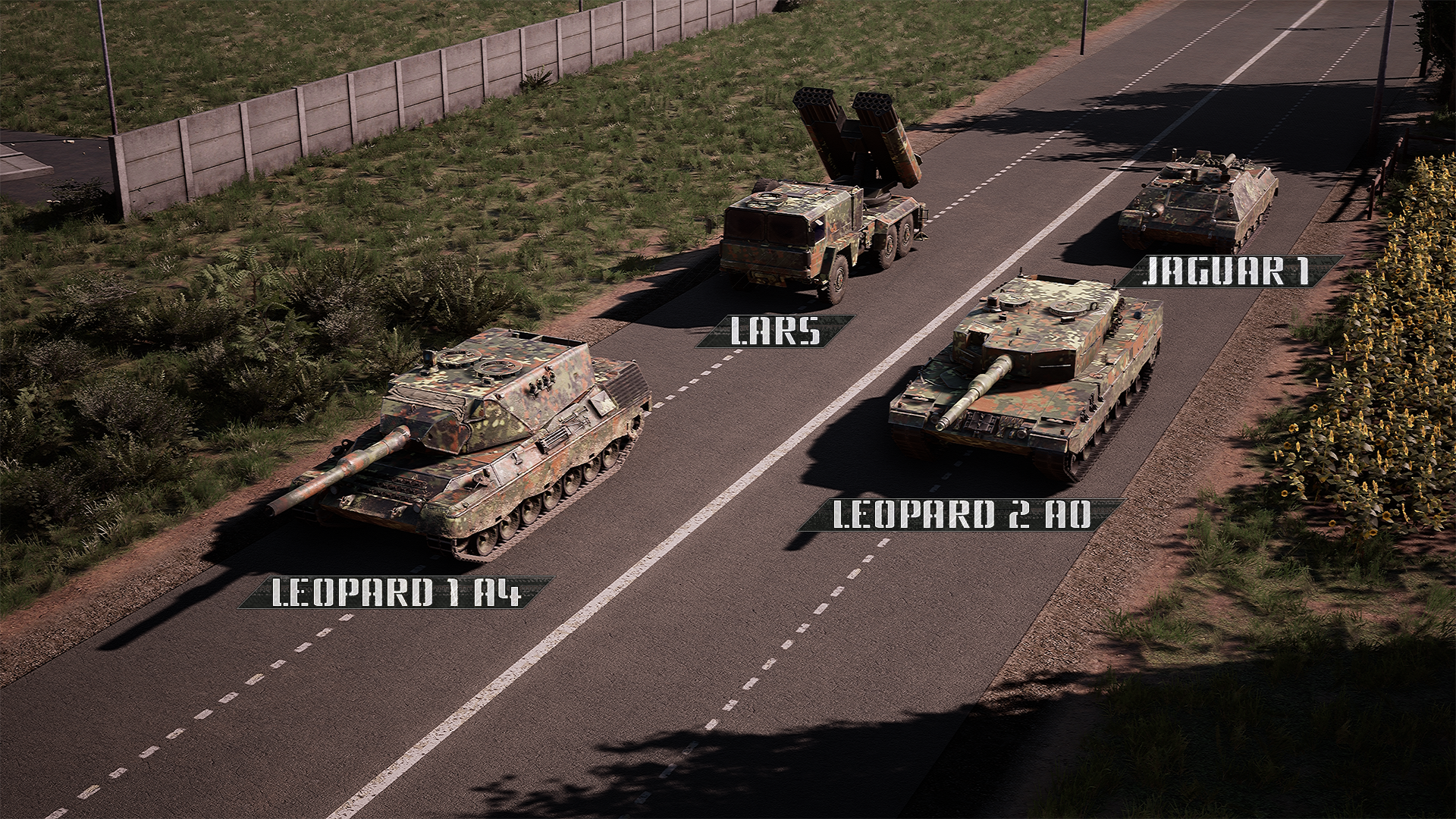
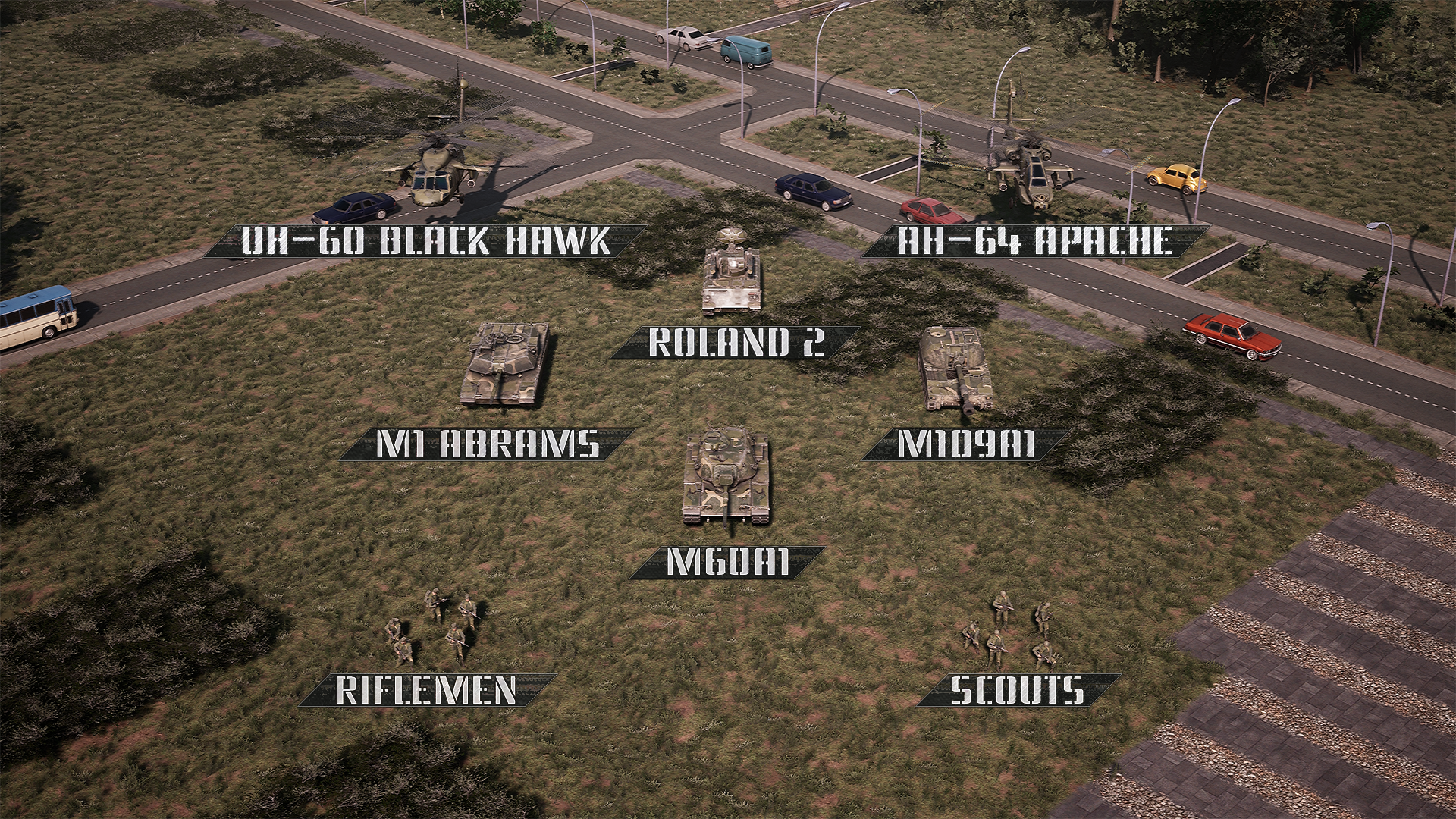
Unlike the Red Army, which was arguably more centralized and homogenous, NATO forces represent unit models from different NATO countries. While the bulk of the forces is comprised of the US units, there are a few notable representatives from other NATO nations planned. For the most part, that would be West German units, such as Leopard 1 and Leopard 2 tanks, Jaguar 1 tank destroyer, and the Light Artillery Rocket System (LARS).
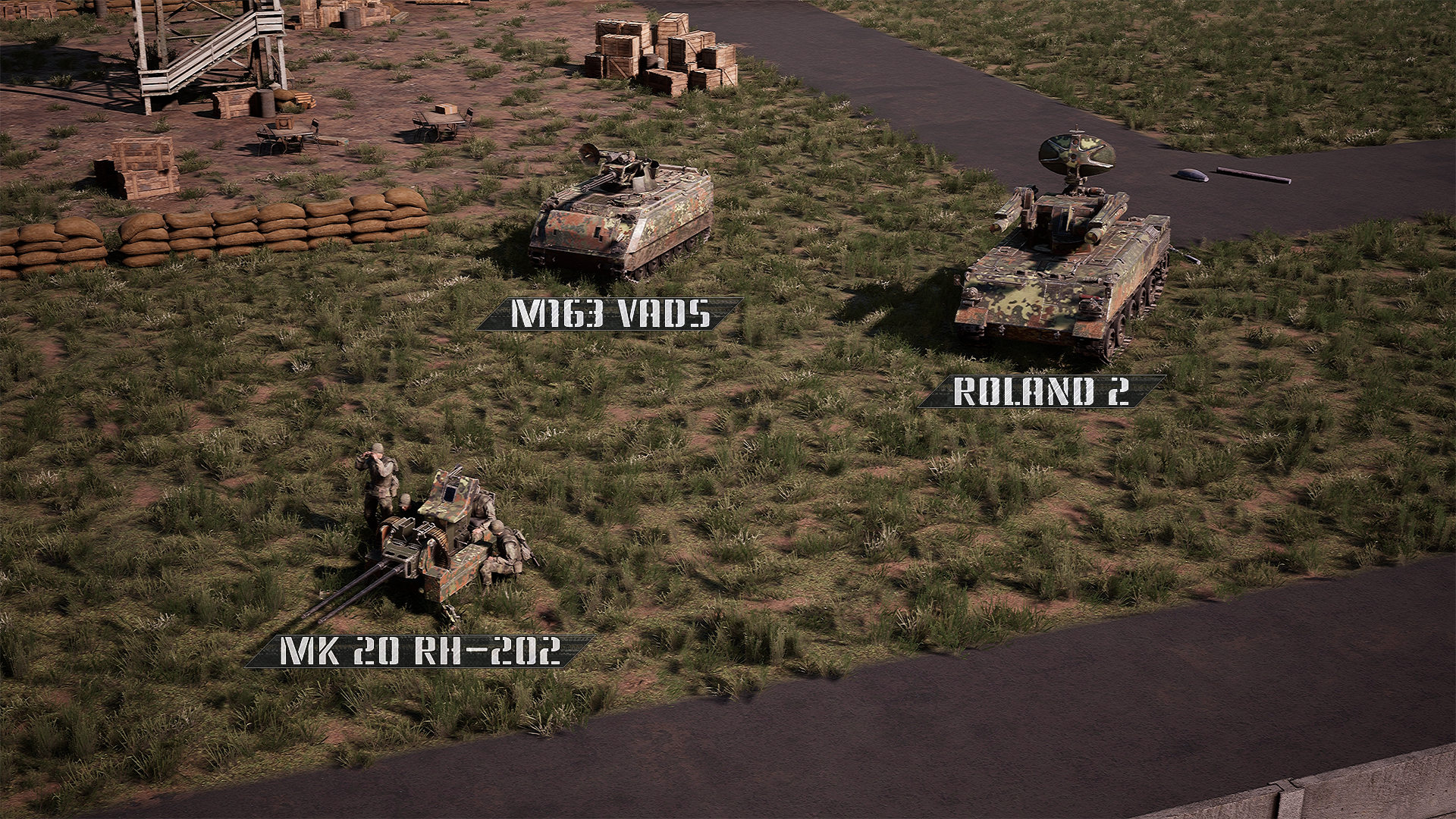
NATO’s anti-aircraft defense
With the growing importance of AA units in Headquarters: Cold War, due to the introduction of helicopter units, let us look at what NATO has on the table. On top of the traditional systems, like Rheinmetall Mk 20 Rh-202 based on Bofors AA guns as a towed AA, and the M163 VADS as the self-propelled AA, we now also have the rocket-based units (SAMs), namely the Roland-2 system.
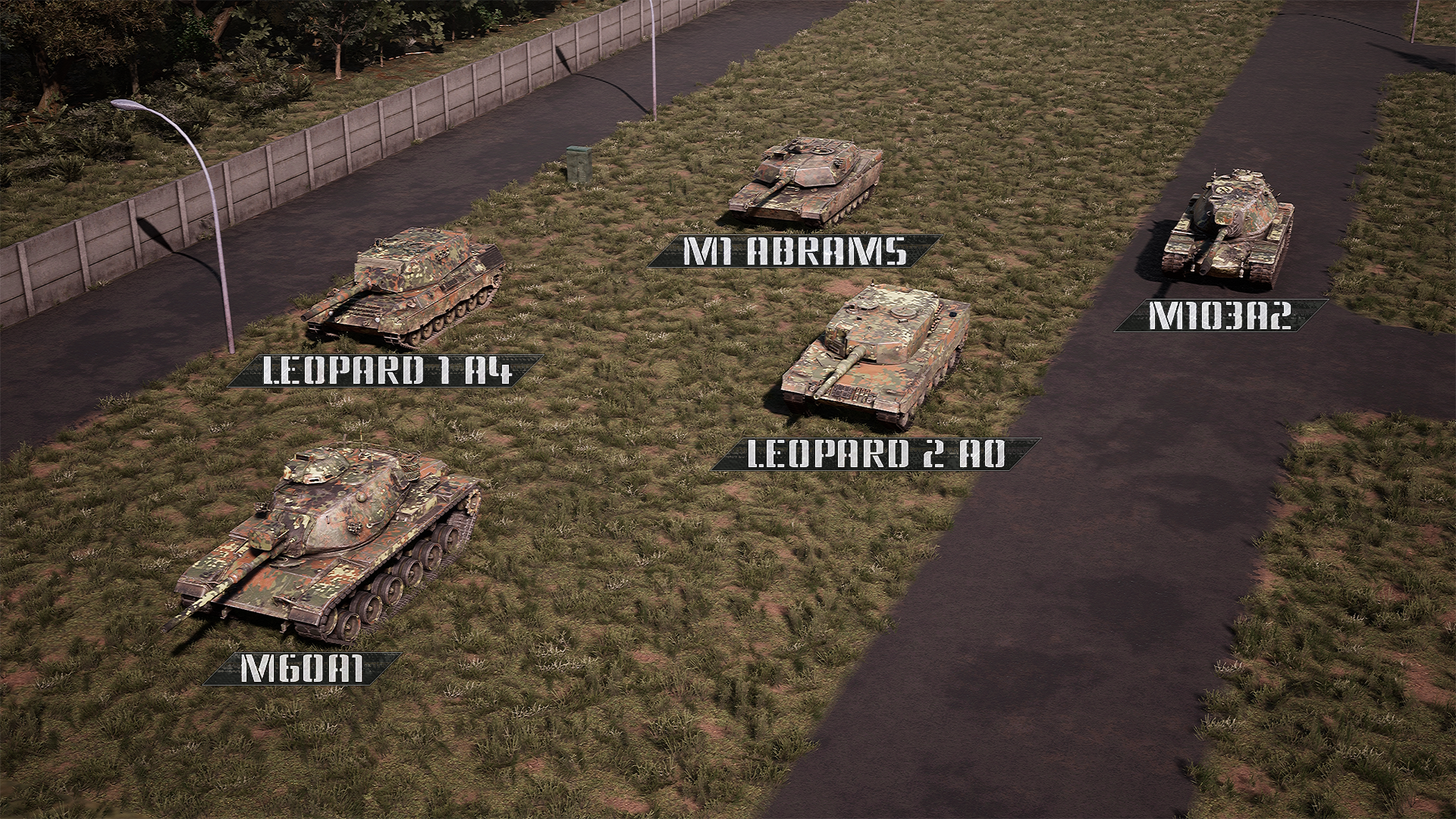
Whose Main Battle Tank is the best?
The Cold War period saw the unification of the light, medium, and heavy tanks into a single class named main battle tank, sparking an even fiercer competition between the tank builders on both sides of the Berlin Wall to prove they could find the best balance between weight, mobility, protection, and firepower. The USSR was developing a fairly successful line of tanks, initially started as T-54/T-55, and later developing into the T-64, T-72, and finally the T-80. Meanwhile, on the NATO side, there were different lines of development led by varying teams and aspirations. The Headquarters: Cold War features the M103 as the last remnant of the “heavy tanks” era, the M551 Sheridan as a light tank, and several key main battle tank models, such as Leopard 1A4, Leopard 2, M60A1, and M1 Abrams.
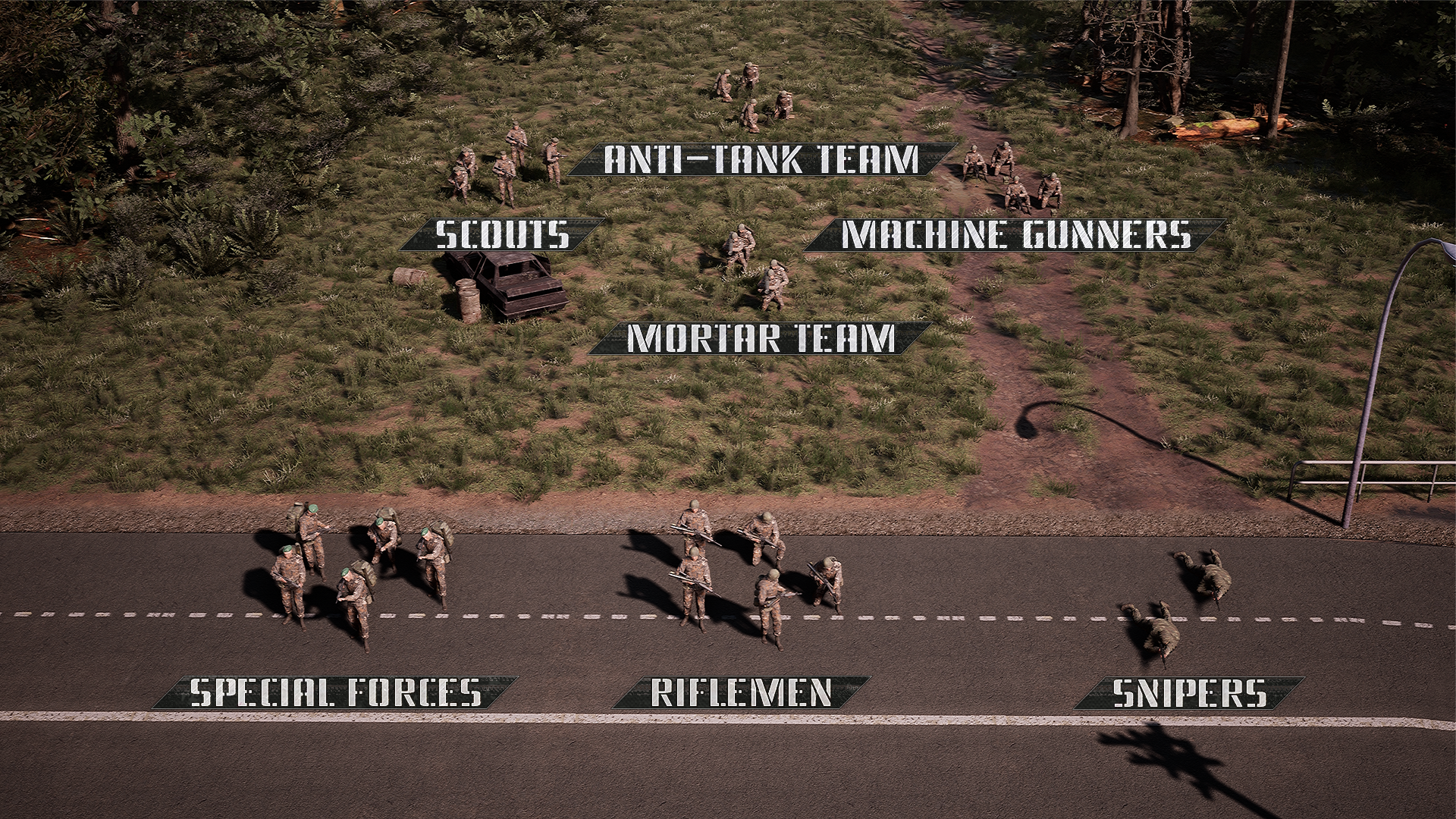
NATO infantry meeting the enemy invasion head-on
Both NATO and Red Army infantry units are evenly matched in terms of heavy weaponry and small arms. One could argue about the quality of the weapon system and personnel training, but the underlying techs are about equal. NATO’s elite troops are represented by the “Green Berets” - the United States Army Special Forces.
Artillery duels
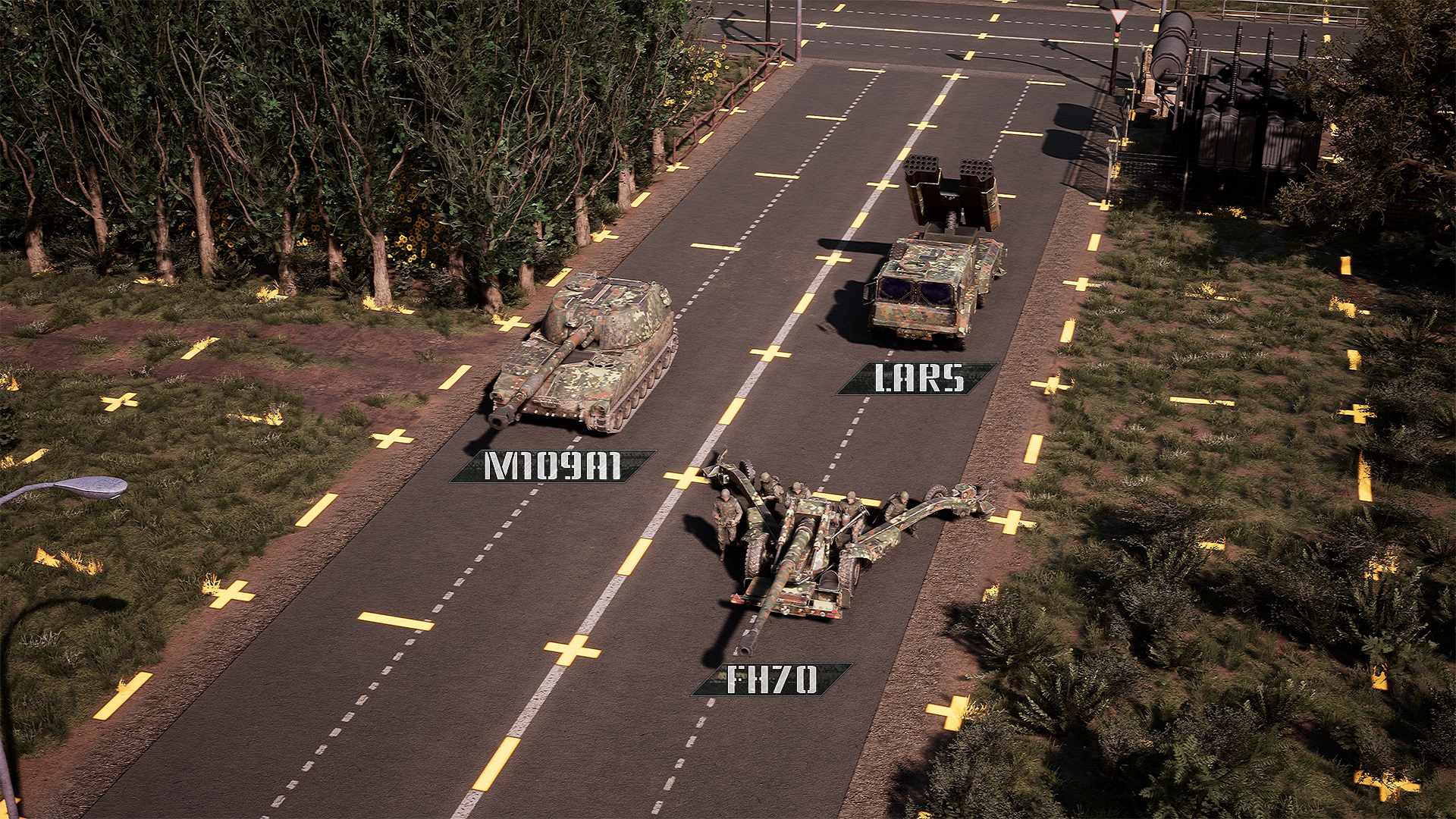
On top of the conventional towed artillery pieces, represented by the FH70, NATO forces boast Light Artillery Rocket System (LARS) - the multiple launch rocket systems designed for providing concentrated rocket fire at the designated area. So, in terms of the artillery counter-battery fire, we have FH70 facing off against the D-30, LARS against the Grad system, and finally, the self-propelled M109A1 against the 2S3 Akatsiya.
NATO helicopters
We have already discussed the helicopter units in the first Dev log entry. However, I would like to mention them here as well, to present a fuller picture of what you could expect from the NATO units' composition. Helicopters act both as additional fire support and mobile transport. The rapid redeployment of infantry units could play a pivotal role in the outcome of any engagement. It is also worth mentioning that the Apache helicopter currently features the best offensive capabilities among the helicopter units on both sides, but lacks the ability to transport troops, compared to its USSR counterpart. (So, both USSR helicopters could transport troops, while NATO forces have one utility and one attack helicopter)
NATO’s Trucks and APCs get their wheels rolling
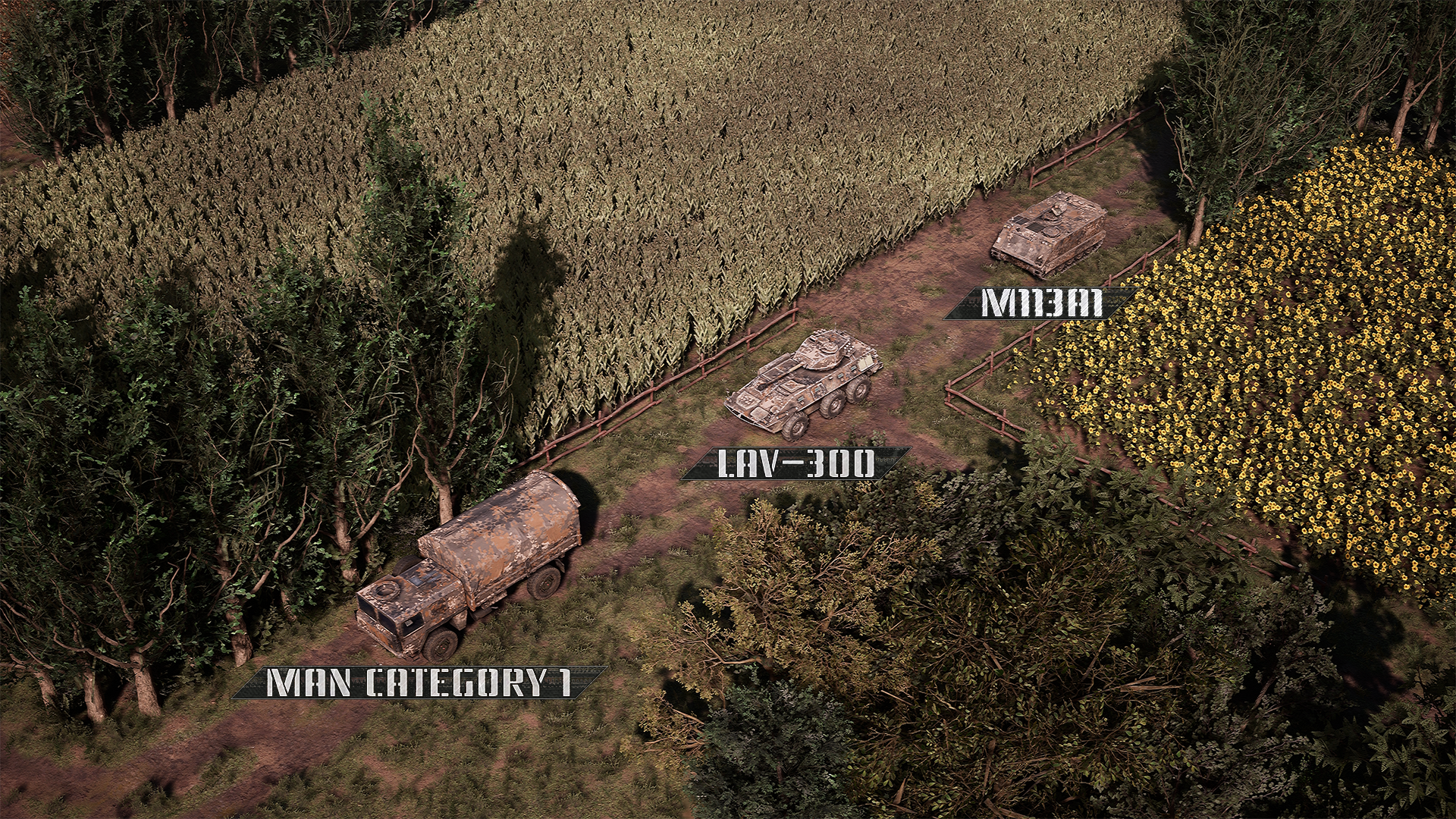
When it comes to transporting the infantry units and providing fire support, NATO forces have the following assets at their disposal: the MAN Category 1 4х4 truck, with the iconic workhorse М113A1, and a more heavily armed LAV-300, featuring a 90 mm gun.
Recon units maneuvering
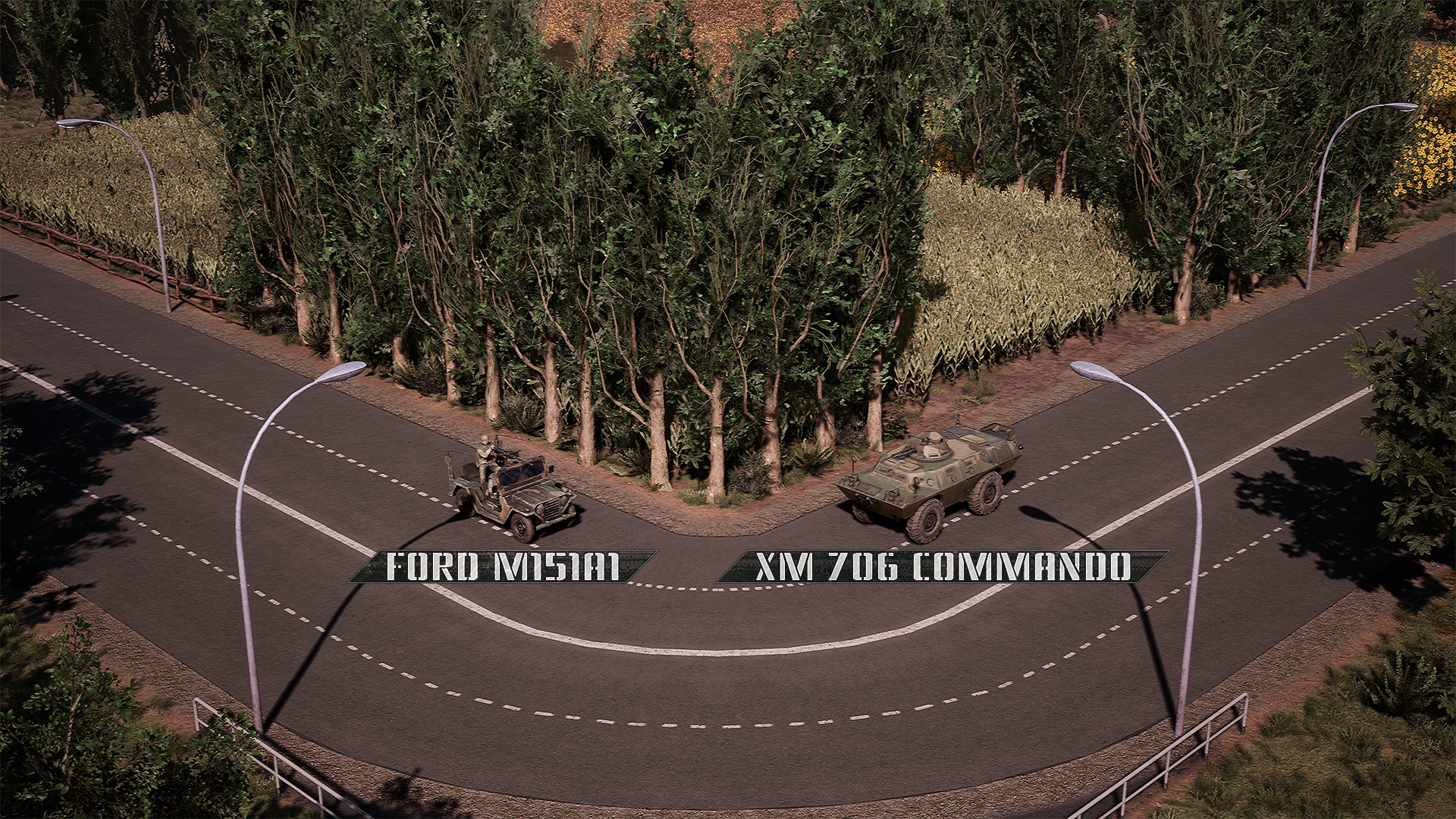
Now, let us have a look at what NATO has to say in terms of providing mobile reconnaissance units. There are the following models at your disposal: the Ford M151A2 utility jeep, as a light vehicle, and the heavier M706 Cadillac Gage Commando, able to engage the enemy's lightly armored units.
What is a Raketenjagdpanzer?
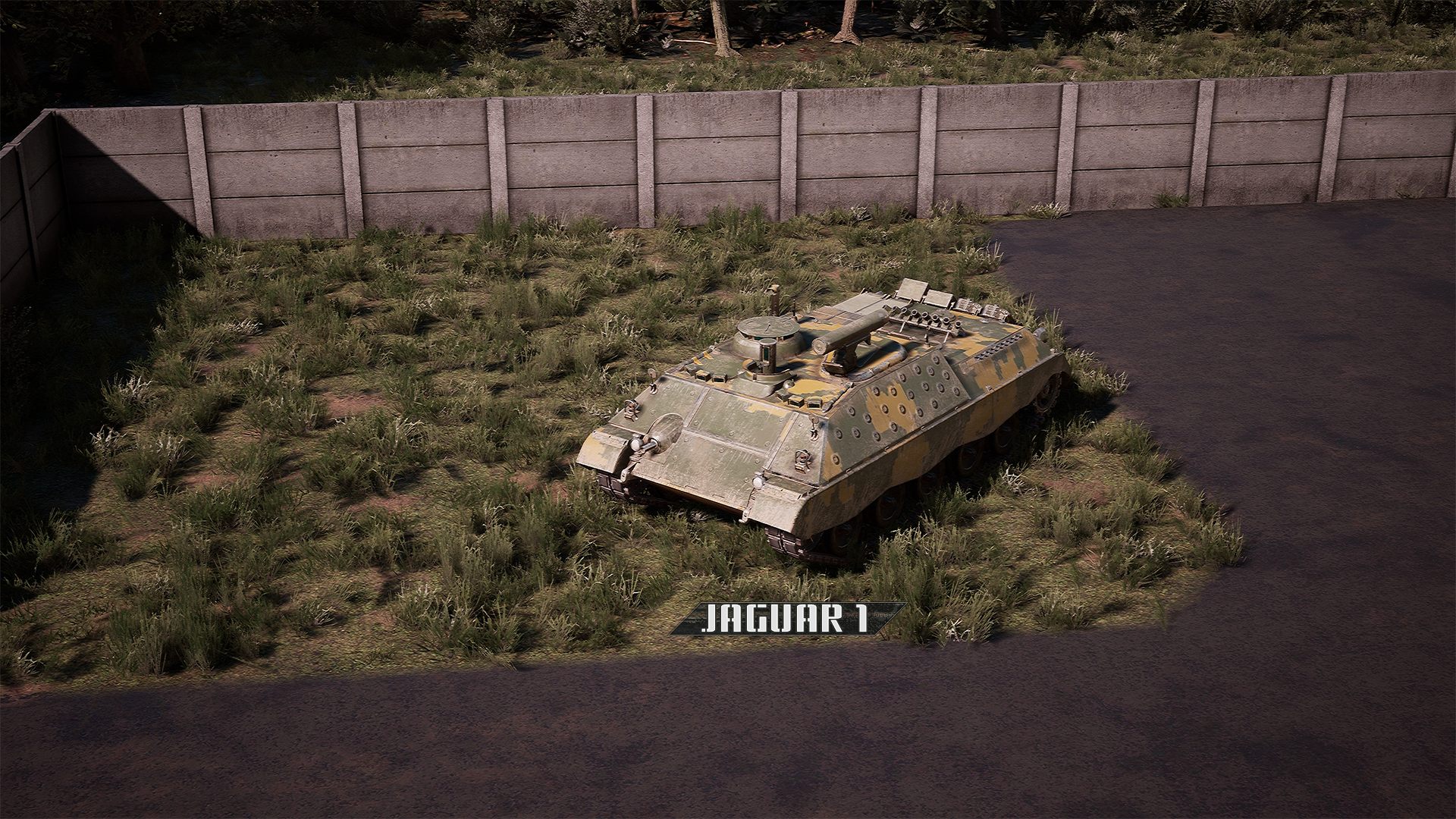
The quick advancement in portable AT rocket launchers led to the creation of the Raketenjagdpanzers - the armored vehicle with rocket launchers on top - serving as a well-protected and mobile anti-tank unit. However, the missiles installed on the Raketenjagdpanzer 1 and 2 have become obsolete over the years, leading to the further upgrade of the Raketenjagdpanzer 2 into the Jaguar 1.
Jaguar 1 has newer missile systems installed and improved armor. The result is virtually a rocket-firing tank, with a low silhouette, due to the absence of a turret.
What’s next?
Now you know what the NATO forces in West Germany had at their disposal while making themselves ready to defend against the Red Army’s imminent invasion. In the next Dev log entry, we will have a closer look at the hypothetical events leading to the Cold War turning into an active war, and the key ideas behind the campaign's design in Headquarters: Cold War. So, stay tuned!
See you next time!