Red Army units take up arms, turning the Cold War into a really hot one
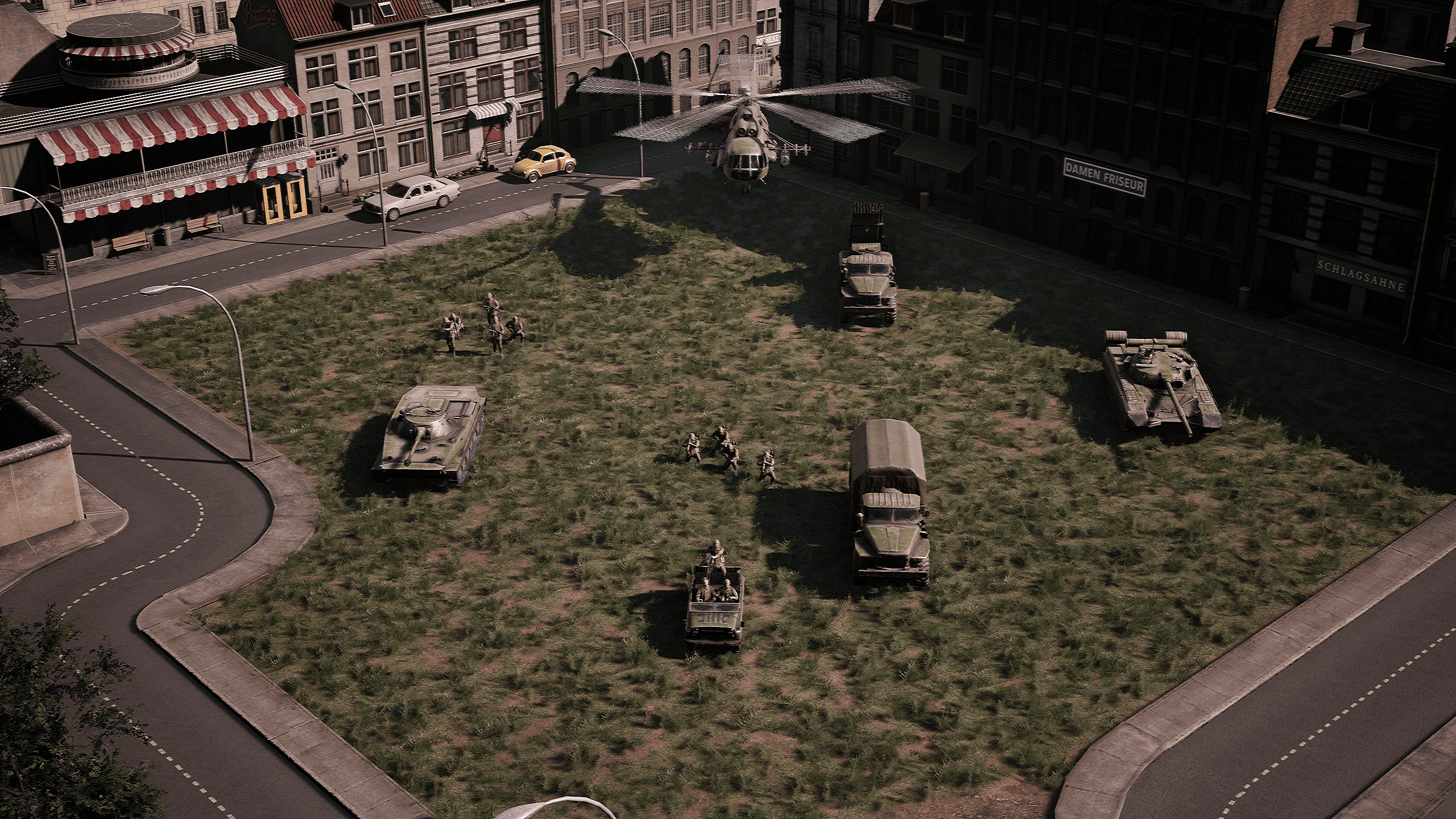
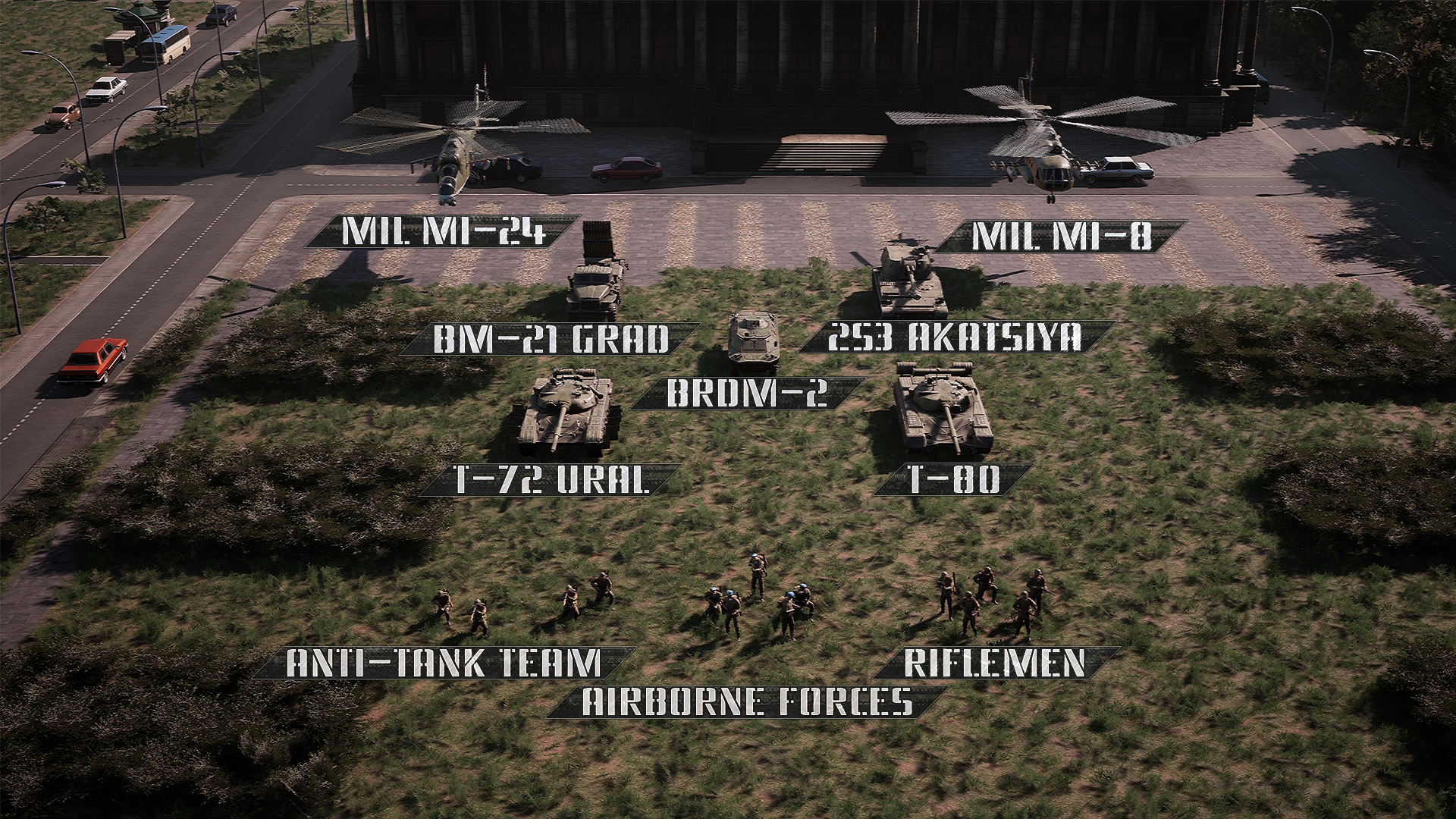
In today’s Dev log, we will have a look at the Red Army units available in Headquarters: Cold War and talk about the dev team's design logic for the units’ line-up. There are several things we usually take into account when coming up with the exact unit lists for each participating country or faction - in our case, NATO and USSR forces.
Key elements of the developers’ logic behind the units’ selection
First of all, we look at the units' introduction dates, numbers built, and so on - basically all the historical data available to see what was available in our selected time period.
Secondly, we try to look for units that have somewhat similar adversaries on the other side. For example, if we add a NATO heavy tank, we would look into the USSR’s heavy tanks to look for something at least remotely similar. Although in the case of the Cold War era, there were mostly Main Battle Tanks, instead of the Light/Medium/Heavy classification of the WWII period. Still, in case of any unit class or type, we would try to find its “mirrored version” in the opposing faction, even if they are not very close in terms of combat parameters. The key thing is that they fulfill the same combat role on the battlefield.
Thirdly, we try to pick a more well-known or widespread unit, if it fits the requirements above.
In the end, we make a list of unit types and subtypes we plan to have for both sides and try to find unit pairs from each faction to fit the list. This way, we end up not with a random assortment of well-known units but with two rosters that are more or less evenly matched to fight each other, which is especially important in multiplayer games.
This does not mean that in each pair there could not be a “stronger” unit, as we try our best to make sure that the unit’s parameters reflect the real-life combat capabilities of the units. So, if one unit was historically better, it would be better in the game. However, the “imbalance” would be different for each pair, and in the end, both sides would be more or less evenly balanced overall.
An increase in the attack range
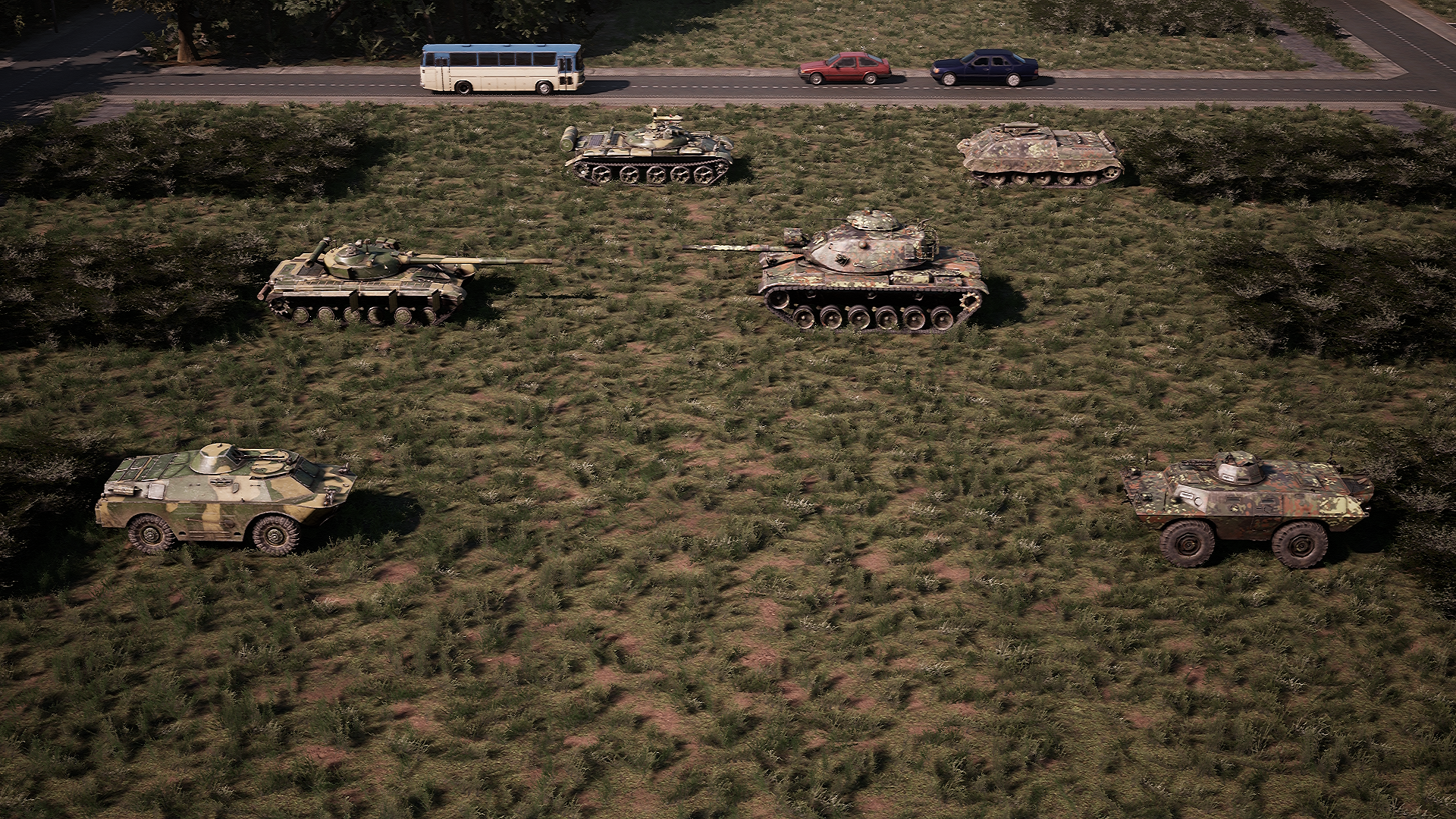
The most notable difference in terms of gameplay when comparing the WWII units lineup with the Cold War units lineup is the significant increase in the attack range for many units. This includes tank guns and all types of small arms shooting range. Also, the anti-tank weapons have become more advanced since WWII, so man-portable AT rocket/grenade launchers also now have a solid range, making infantry units an even bigger threat to armored units. While the armored units, in turn, also have an increased attack range.
Anti-aircraft units now make more sense
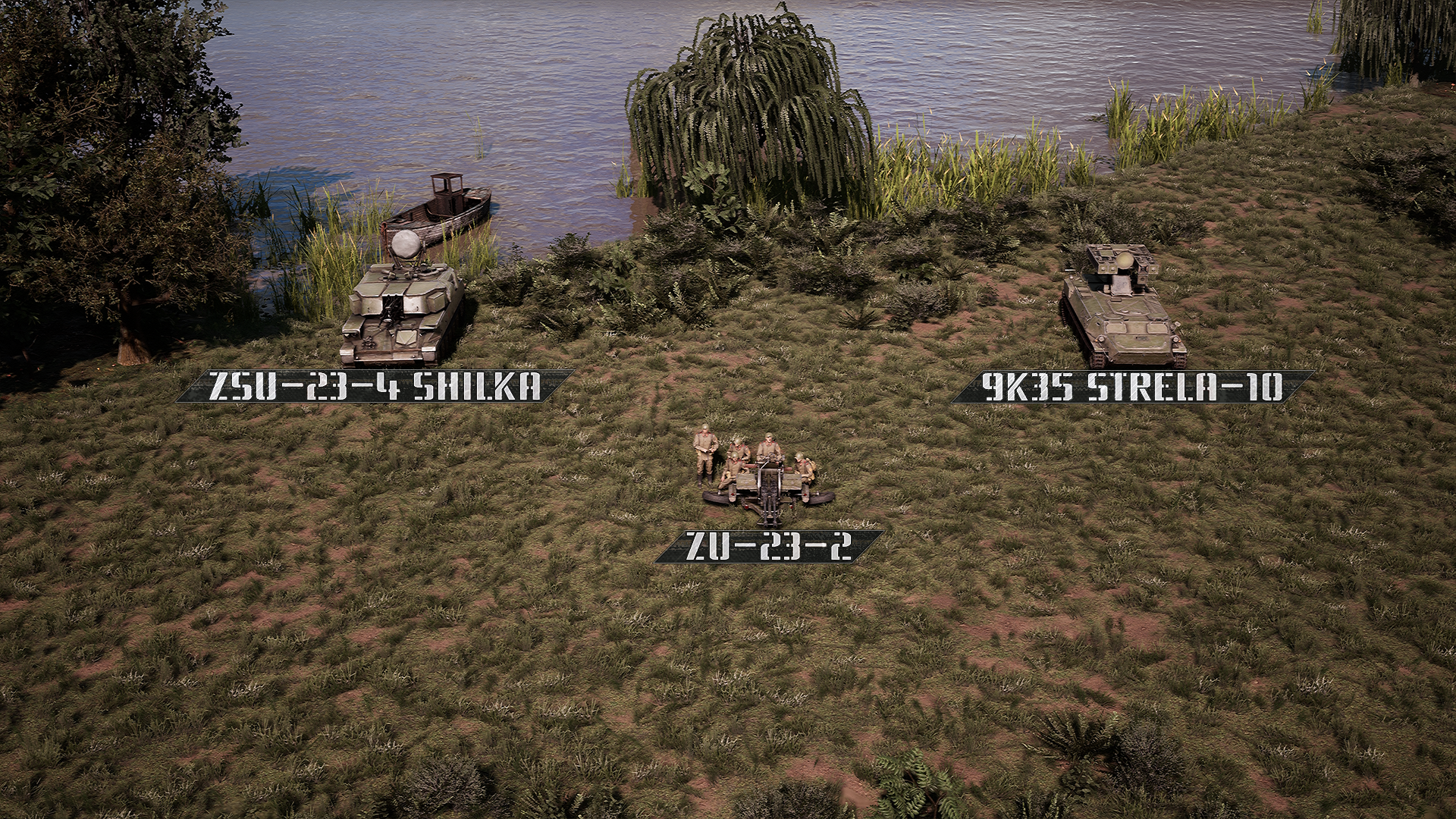
While in the Headquarters: WWII, AA units were used to defend against the enemy HQ skills, and in fact mostly fired against land units as additional fire support, in Headquarters: Cold War, they have a much more important role of dealing with the enemy helicopter units as well. If you read our previous Dev log 1, you probably realise that the helicopter units are a real game-changer. So, you cannot ignore the threat they represent. Which means more attention will go towards their counter - the anti-aircraft units. On top of the familiar machine guns and autocannons, we introduce the rocket-based (or SAMs - surface-to-air missiles) anti-aircraft units, which can only attack aerial targets but excel at the task.
The introduction of the Main Battle Tank doctrine
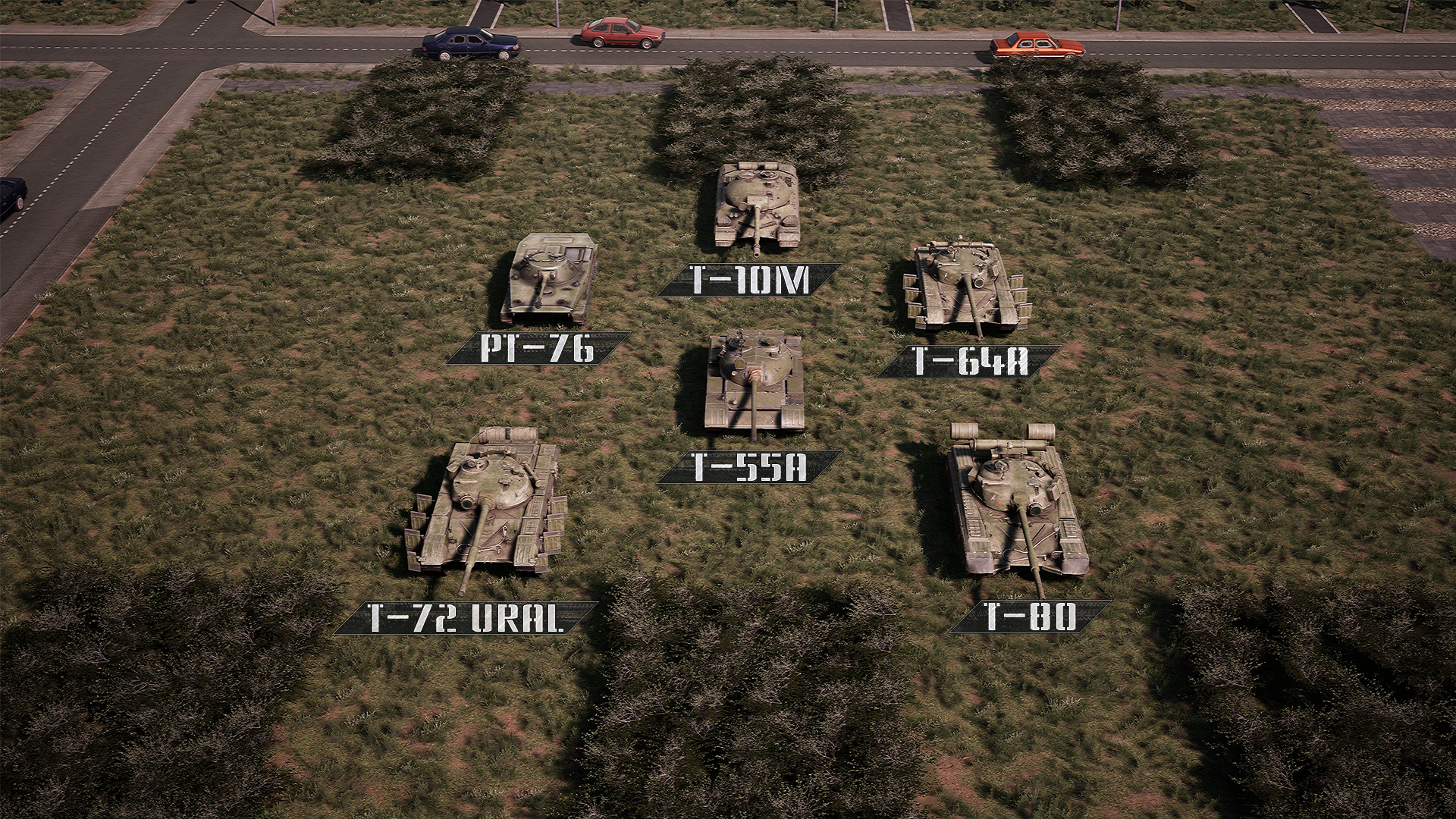
Unlike the World War II period, the Cold War saw the unification of the light, medium, and heavy tanks into a single class named main battle tank, with few exceptions. That meant that both sides were trying to find the best balance between weight, mobility, armor, and firepower. The USSR was developing a fairly successful line of tanks, initially started as T-54/T-55, and later developing into the T-64, T-72, and finally the T-80. On top of that, there is one light tank - PT-76, and one heavy tank model T-10M, both of which belong to an earlier period of post-WWII design logic, but are still capable at the time.
Infantry - always at the forefront
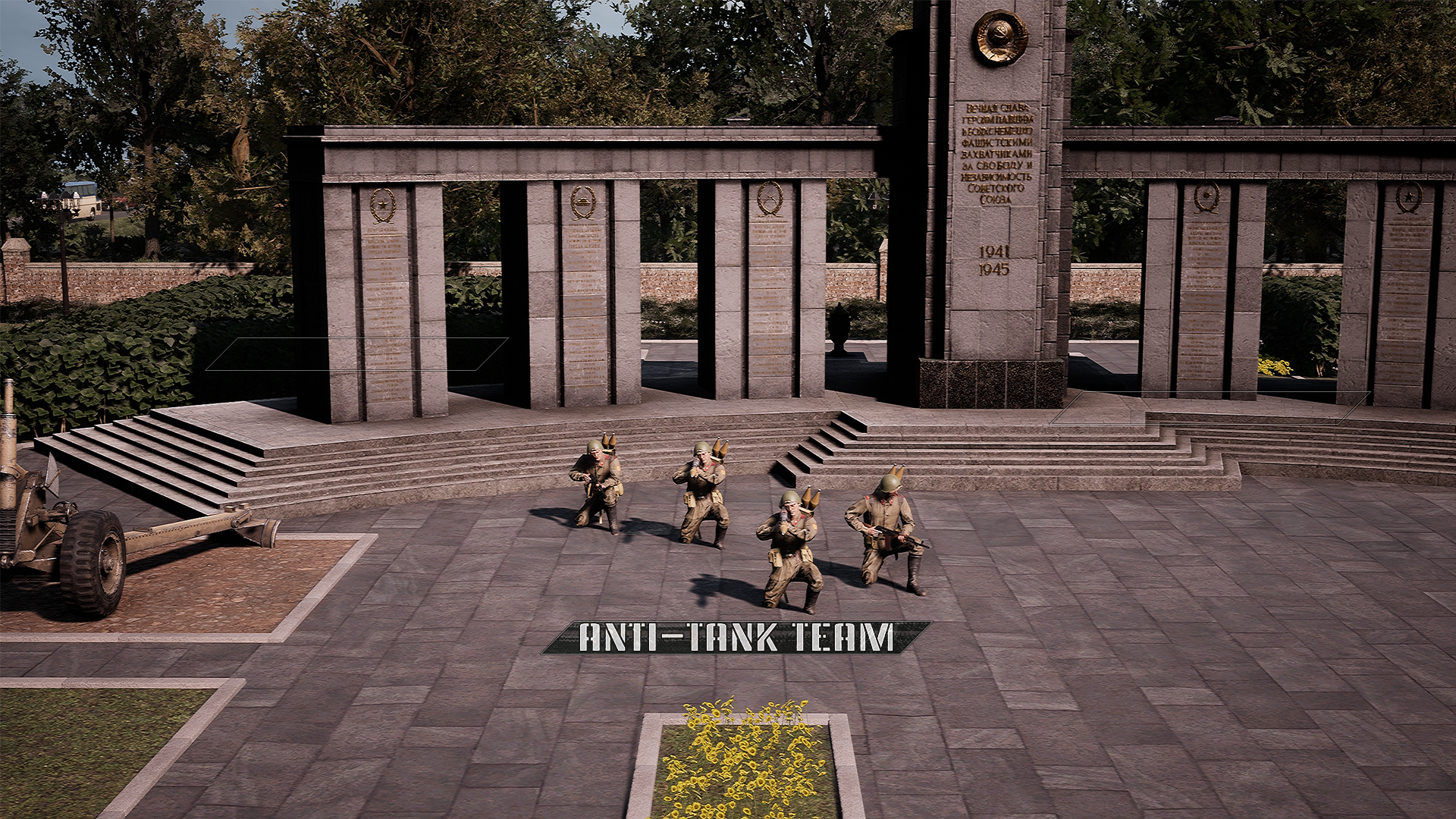
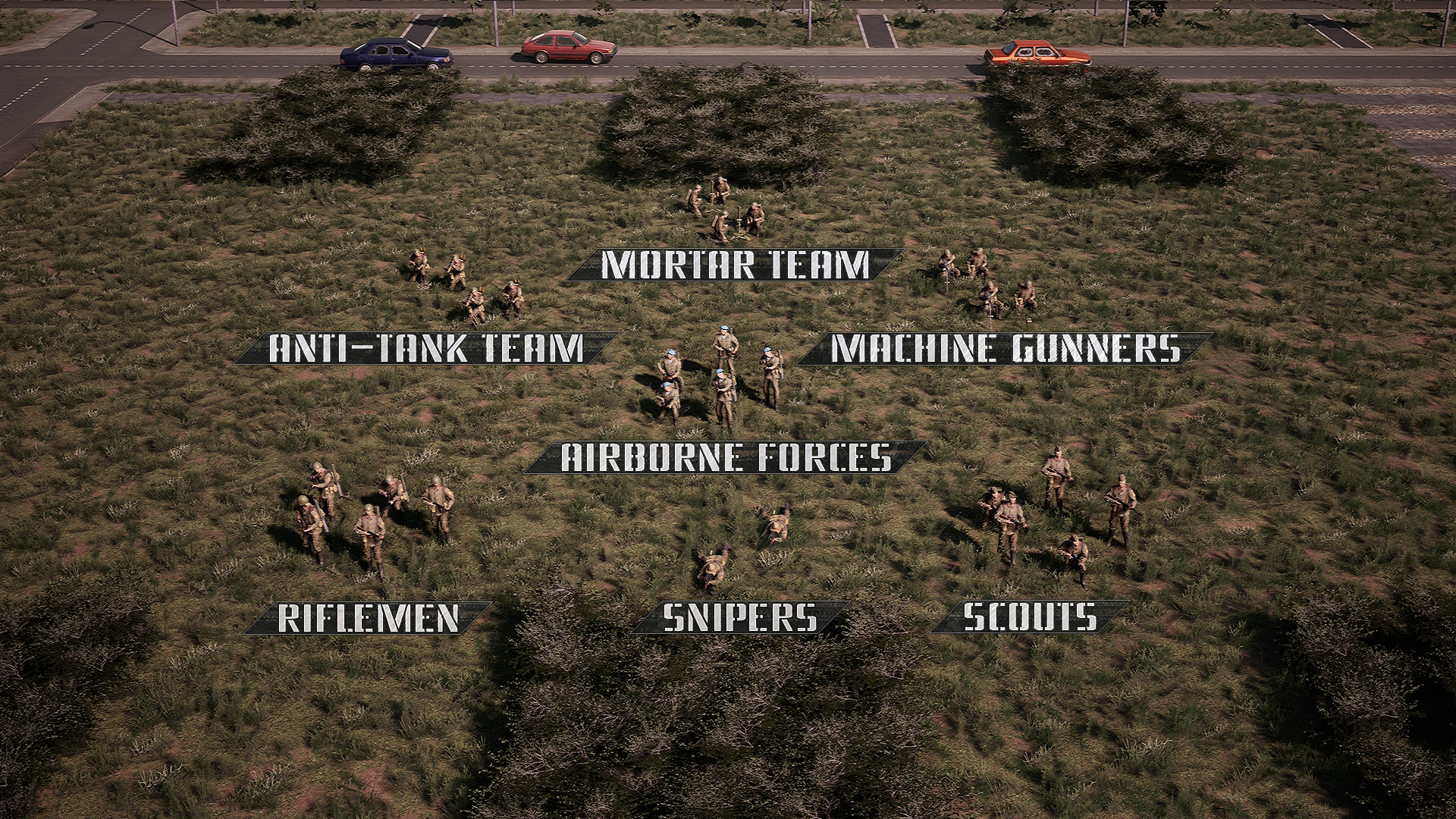
Infantry units take assault rifles instead of the regular ones, while all man-portable anti-tank weapons have improved greatly compared to their WWII-era predecessors. In Headquarters: Cold War assault rifles and machine guns generally have a larger attack range, allowing engagement at longer distances. The USSR’s elite infantry is represented by the Soviet Airborne Forces (also known as “VDV”) - elite units with better training and equipment than the regular infantry units.
Artillery + Rocket artillery
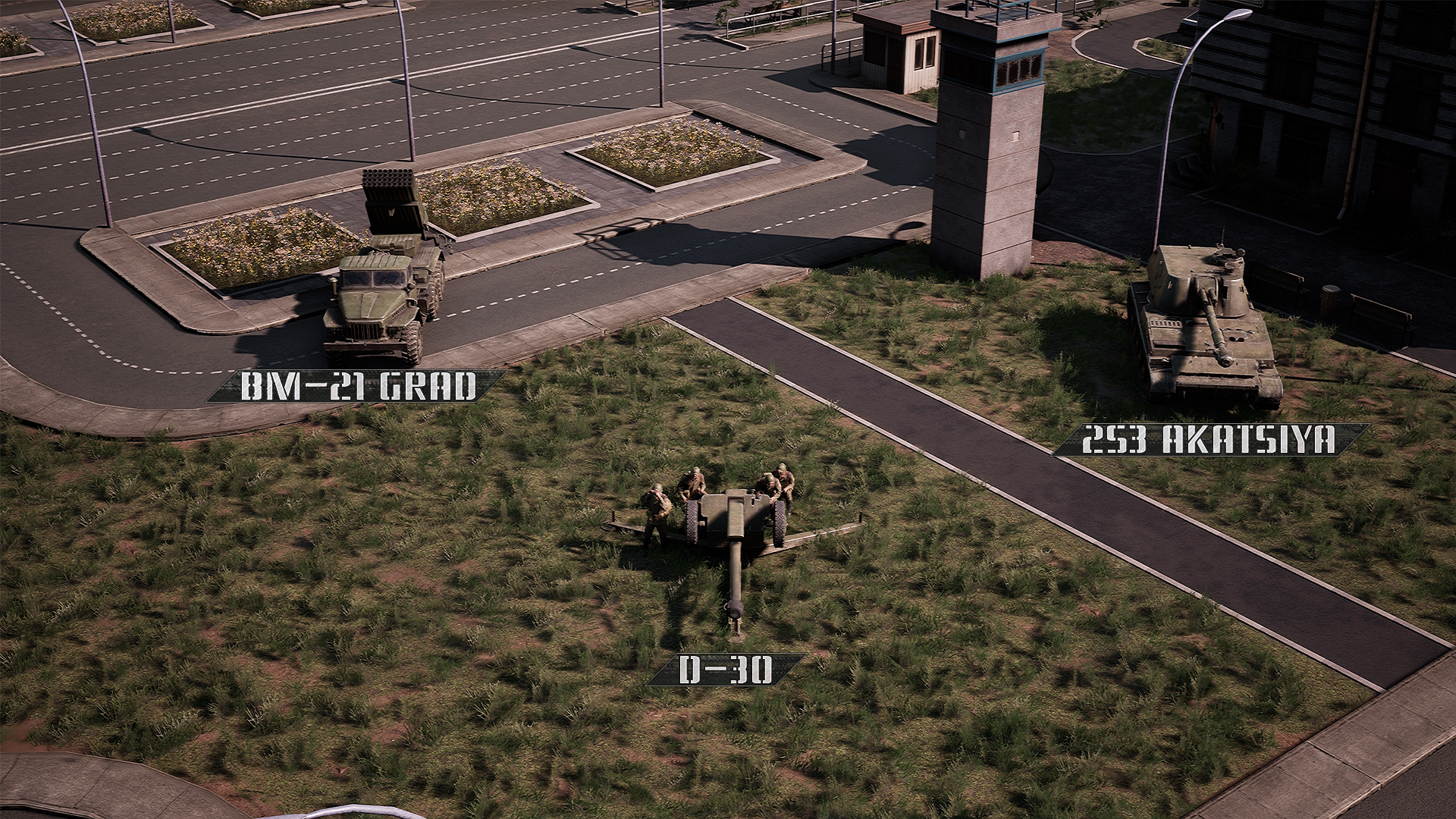
The most notable thing about the artillery units in Headquarters Cold War is the introduction of rocket artillery. Despite the first rocket artillery units being available during World War two, those lacked precision and worked mostly for a massed suppression fire. The newer rocket artillery units allowed for more precise strikes against the enemy forces.
USSR helicopters
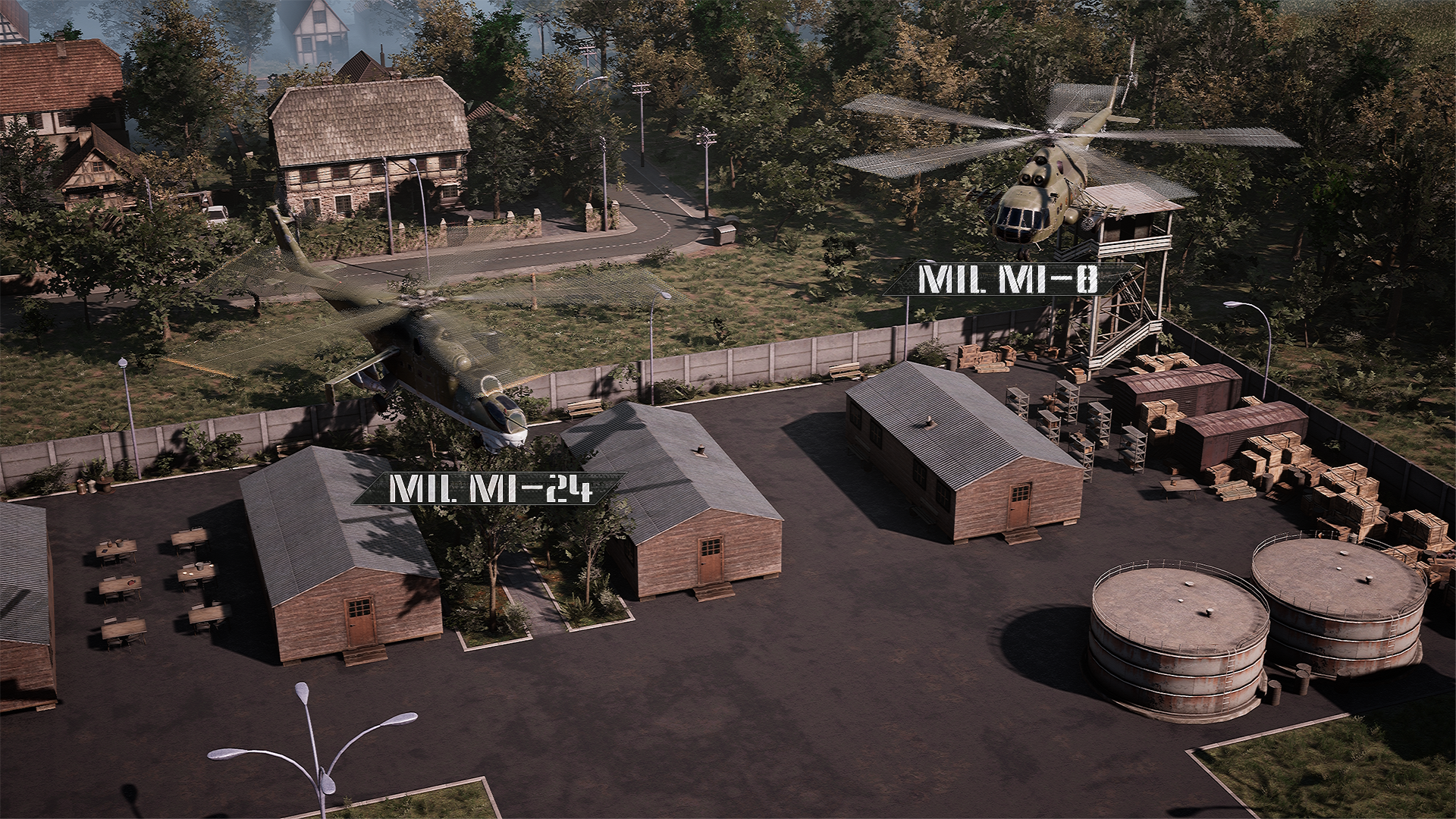
We have already discussed the helicopter units in the previous Dev log, however, I would like to mention them here as well, to present a fuller picture of what you could expect from the USSR units' composition. Helicopters act both as additional fire support and mobile transport. The rapid redeployment of infantry units could play a pivotal role in the outcome of any engagement.
Trucks and APCs
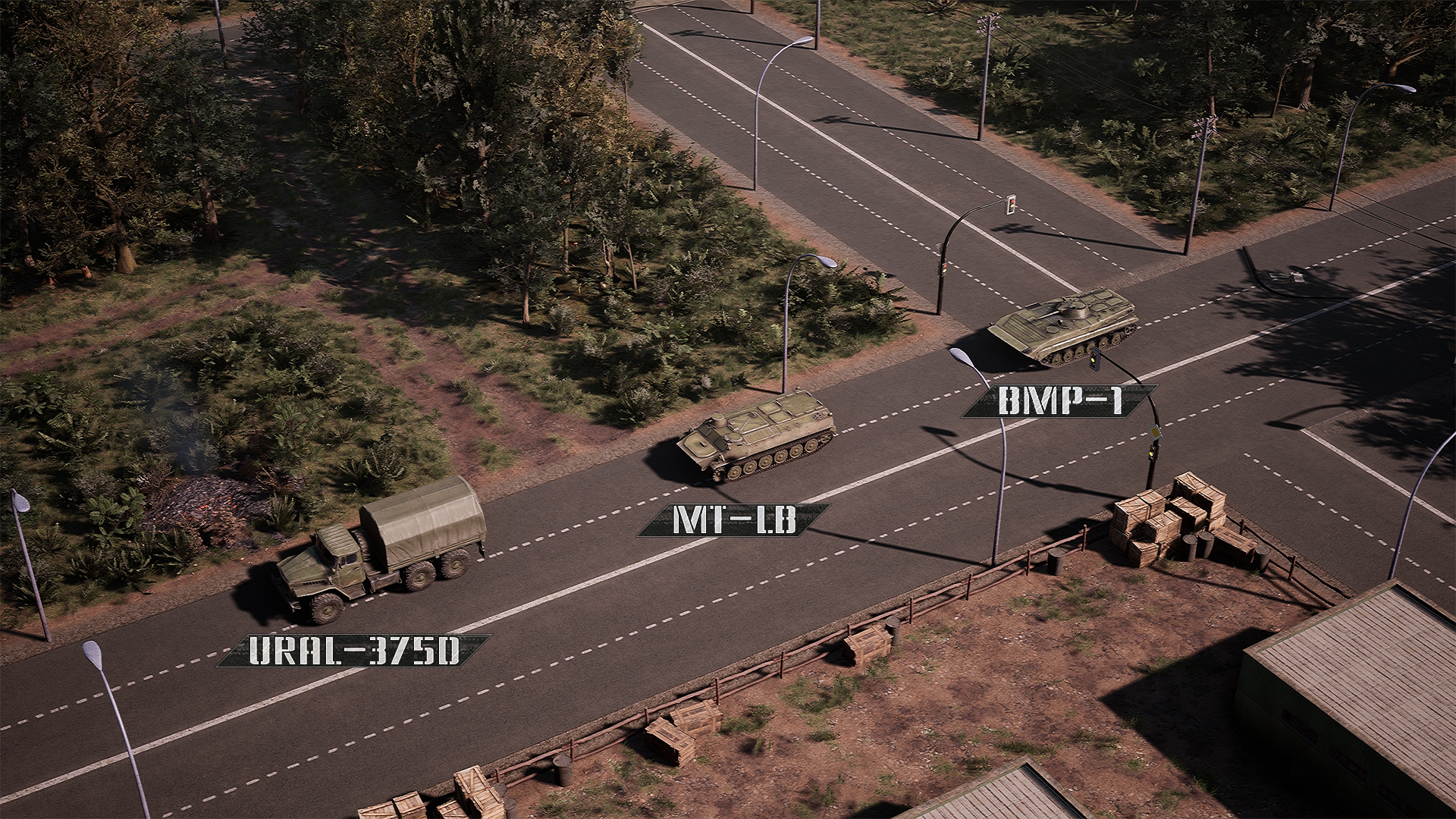
In terms of regular means of transportation for the Infantry units and towed artillery pieces, the Red Army has a Ural-375D truck, and two types of APCs - MT-LB and BMP-1, that could provide better protection and fire support to the infantry they carry.
Recon vehicles
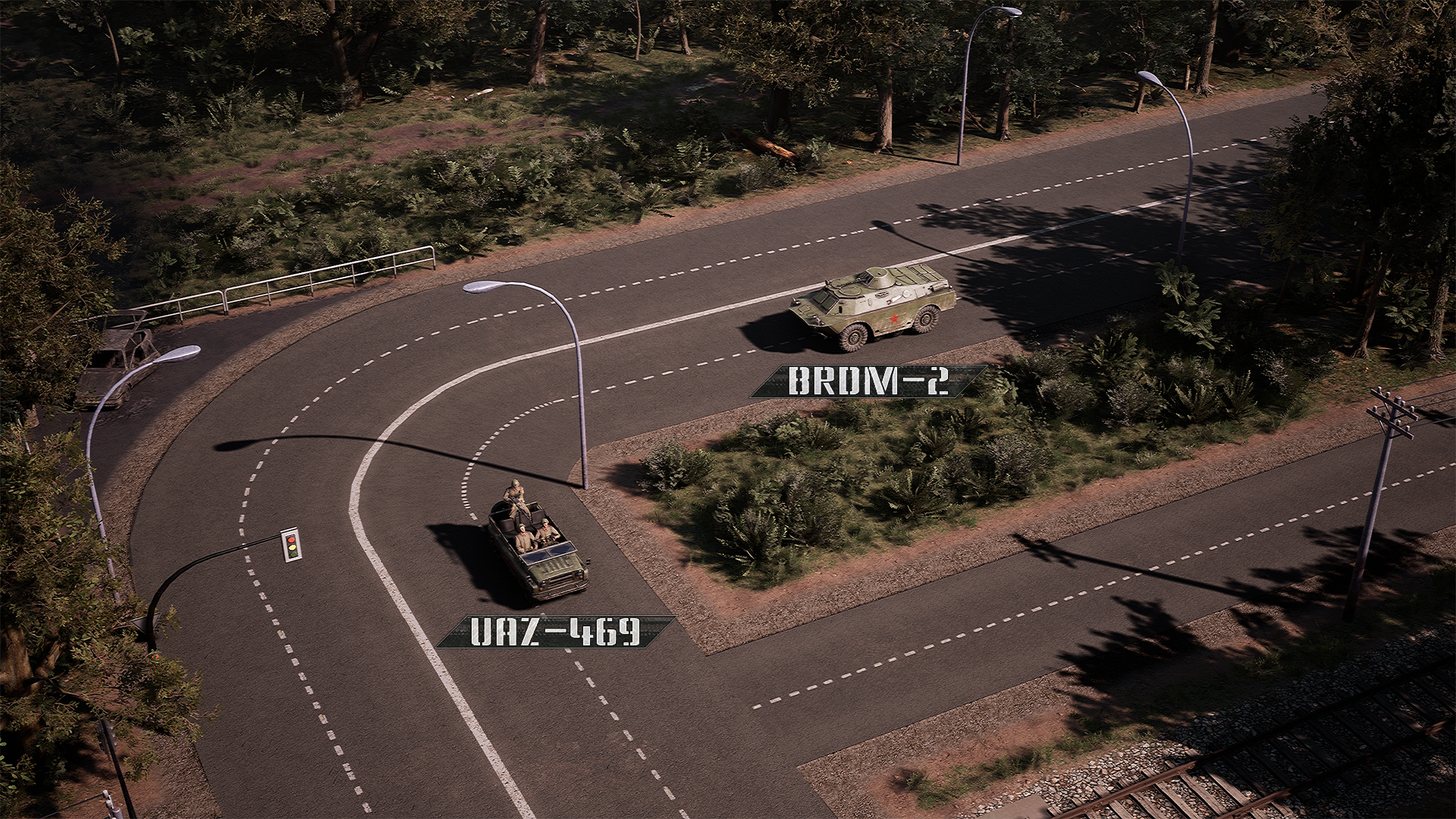
When it comes to the recon units, the USSR forces have a small mobile 4x4 vehicle Uaz 469, and a heavier and better armed BRDM-2. Both have their strengths and weaknesses, while keeping their main advantage - mobility and situational awareness.
A missile tank is the best anti-tank
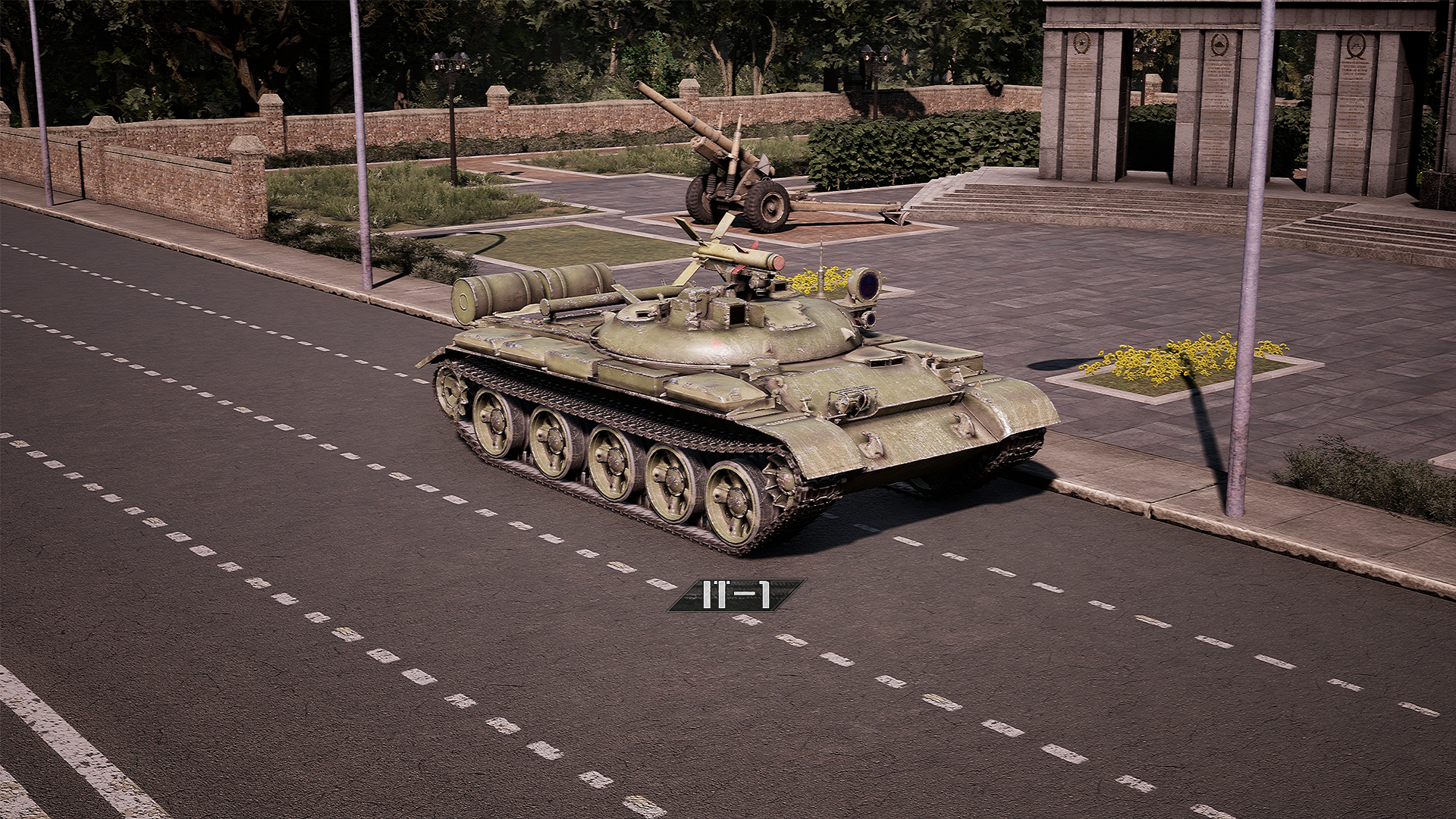
We have already talked about the tanks, but what about the means to stop their advance? The anti-tank means have evolved greatly during the Cold War era, resulting in various anti-tank missile weapons. One such unit is an AT missile launcher mounted on top of a T-62 chassis, resulting in the appearance of a so-called missile tank. This mobile and well-protected anti-tank unit can launch deadly AT missiles from a solid range and keep enemy tanks at bay. Its only downside is its limited effectiveness against infantry units.
Conclusion
The Red Army units are all set to launch a hypothetical invasion of West Germany. In our next Dev log, we will look at what units the NATO forces there have at their disposal to repel such a serious threat, and discuss how evenly matched both sides were at the time.
See you next time!